
Baby Bottle Tooth Decay: Causes and How to Prevent It
What Baby Bottle Tooth Decay Is and How It Starts
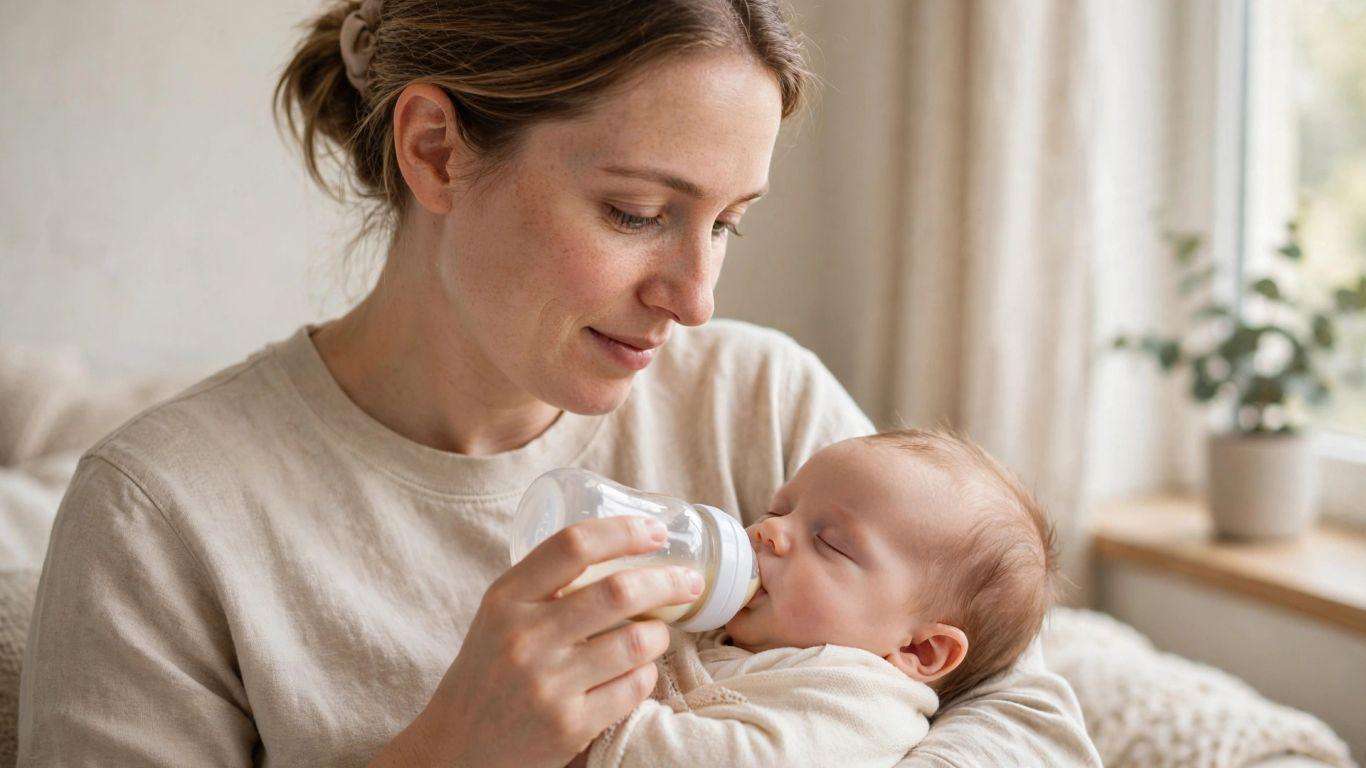
Baby bottle tooth decay is tooth decay in infants and young children, often linked to frequent or prolonged contact between teeth and drinks containing sugars or other fermentable carbohydrates. It can begin before a child is old enough to describe discomfort, so everyday feeding and cleaning habits matter. The name points to one common risk, but decay can develop for several reasons. Our guide to early childhood cavities offers more background.
How Acids Damage a Baby's Teeth
Bacteria in the mouth can use sugars from food and drinks to produce acids. Those acids weaken the hard outer surface of a tooth over time, especially when teeth are exposed often and do not get much time to recover. This process can begin as a small area of mineral loss, before a visible hole appears. Frequent acid exposure is one reason all-day sipping can be harder on teeth than a drink offered with a meal.
Why the Upper Front Teeth Are Often Affected First
The upper front teeth may be exposed to liquid that pools around them when a baby falls asleep while feeding. During sleep, saliva flow is lower, so the mouth clears liquids less effectively than it does when a child is awake. Other teeth can develop decay too, so this pattern is a clue, not a rule.
How Tooth Decay Can Develop Even in Baby Teeth
Baby teeth are temporary, but they still help children chew, speak, and hold space for adult teeth. Their enamel can decay just as permanent teeth can, and an untreated cavity may cause pain or infection. A child's first teeth deserve care from the moment they appear.
Causes and Habits That Raise the Risk
Baby bottle tooth decay usually develops through a mix of exposure and time: sugary or carbohydrate-containing liquids reach the teeth repeatedly, and plaque bacteria turn some of those sugars into acid. Milk and formula are nutritious, but repeated contact with teeth, especially during sleep, can still contribute to risk. Juice, sweetened drinks, and frequent snacks can add more exposure.
Falling Asleep With a Bottle of Milk, Formula, or Juice
A bottle in bed or during a nap can leave liquid around the teeth while a child sleeps. Saliva production drops during sleep, so the mouth may clear that liquid more slowly. Juice and other sweet drinks are particularly concerning, but milk or formula left in contact with teeth for a long stretch can also contribute. If a bedtime feed is part of the routine, try to finish it before brushing and settling your child down.
Frequent Sipping and Prolonged Bottle Use
A bottle carried around for long periods can keep teeth in near-constant contact with liquid. The concern is not a single ordinary feed; it is the repeated exposure that gives acids more chances to affect enamel. A cup transition as your child approaches the first birthday can also help move away from all-day bottle use.
Sharing Spoons or Cleaning a Pacifier With Your Mouth
Cavity-causing bacteria can pass between people through saliva. Sharing a spoon or putting a pacifier in an adult's mouth may transfer bacteria, though this does not mean a child will inevitably develop decay. Simple habits can limit this route of exposure:
- Use a clean spoon for your child rather than sharing one.
- Rinse a dropped pacifier with clean water instead of putting it in your mouth.
- Avoid tasting food from the same utensil you use to feed your child.
- Wash pacifiers and feeding items according to their care instructions.
These steps reduce saliva sharing, but they do not replace tooth cleaning or regular dental care.
How Dry Mouth and Limited Fluoride Protection Can Contribute
Saliva helps wash away food particles and acids, and its flow naturally decreases during sleep. Fluoride helps strengthen enamel and make it more resistant to acid; if a child receives little fluoride, teeth may have less of that protection. A dentist can advise whether your child's toothpaste and local water supply provide appropriate fluoride exposure.
Early Signs to Watch For
Early decay can be subtle, and a young child may not be able to explain what feels different. Look at the teeth in good light when you brush, including the areas close to the gumline. A quick look at home can help you notice a change, but it cannot confirm whether a spot is decay.
White Spots Near the Gumline
One early sign can be a chalky white area near the gumline, often on an upper front tooth. A white spot does not always mean a cavity, but it can signal that enamel has started to lose minerals. Arrange a dental check rather than waiting for the area to darken or become painful. Our post on white spots on teeth explains why they matter.
Yellow, Brown, or Dark Areas on the Teeth
As decay progresses, a spot may become yellow, brown, or dark, and the tooth surface may look uneven. Staining can also have other causes, so color alone is not enough to diagnose a cavity. Avoid scraping or picking at a mark; let a dental professional examine it.
Sensitivity, Discomfort, or Trouble Eating
A child with tooth decay may react to hot, cold, or sweet foods, chew on one side, or become reluctant to eat. These signs have many possible causes, but a change that persists deserves attention. Contact a dentist if eating or drinking seems painful.
Why Decay Can Be Hard to Spot at First
A cavity may start as a small change in enamel, tucked near the gumline or between teeth. These clues can help you decide when to call, but they are not a substitute for an exam:
| What you notice | What it may mean | A sensible next step |
|---|---|---|
| Chalky white patch | Possible early enamel change | Ask a dentist to check it |
| Brown or dark area | Possible decay or staining | Arrange an examination |
| Sensitivity or eating changes | Possible tooth discomfort | Call promptly for advice |
A dentist can assess the tooth directly and tell you whether treatment is needed. When in doubt, it is better to ask than to wait for a visible hole or a stronger symptom.
Feeding Changes That Help Prevent Decay
Prevention does not require perfect meals or a complicated schedule. The aim is to limit how often teeth are exposed to sweet drinks and to avoid leaving a bottle in a child's mouth during sleep. For more ideas, see our post on how much sugar is too much for your child's teeth.
Keep Bedtime and Nap-Time Bottles Out of the Routine
Try to offer the last bottle before brushing and settling your child for sleep. If your baby needs comfort at bedtime, use a soothing routine that does not depend on falling asleep with a bottle. If an overnight feed is still needed, follow your pediatrician's feeding guidance. A change may take patience, especially if the bottle has become part of how your child falls asleep.
Offer Water Between Meals Instead of Sweet Drinks
Between meals, plain water helps quench thirst without adding sugar exposure. Juice and sweetened drinks are best limited, and frequent sipping throughout the day can expose teeth again and again. For many families, a few clear habits are easier to maintain:
- Offer water when your child is thirsty between meals.
- Keep juice and sweet drinks occasional rather than all-day options.
- Serve milk or formula as part of feeding rather than letting a bottle linger.
- Ask your child's clinician about drink choices that fit their age and needs.
Move From a Bottle to a Cup Around the First Birthday
Many children can begin learning to drink from a cup before their first birthday, with the transition generally encouraged around that milestone. Introduce a cup gradually and offer it during meals, while following advice from your child's clinician about feeding needs.
Avoid Dipping Pacifiers in Honey, Sugar, or Syrup
Honey, sugar, and syrup leave sweet residue on the teeth and can encourage decay. Honey should not be given to children under 12 months for safety reasons, and dipping a pacifier in any sweetener is unnecessary at any age.
Daily Oral Care From the First Tooth
A simple oral care routine can start before your baby has teeth and grow as they do. Cleaning gums gets your child used to having their mouth cared for, while brushing removes plaque once teeth appear. A caregiver should do or closely supervise brushing for young children. The American Dental Association's MouthHealthy guide to baby bottle tooth decay offers further guidance.
Wipe Gums Before Teeth Appear
Before the first tooth comes in, gently wipe your baby's gums with a clean, damp cloth after feedings or as part of the daily routine. There is no need to scrub; a soft pass is enough to get your baby accustomed to mouth care.
Brush Twice a Day With a Smear of Fluoride Toothpaste Under Age 3
When the first tooth appears, brush twice daily with a smear of fluoride toothpaste about the size of a grain of rice. Brush gently along the gumline and on every tooth surface, and keep toothpaste out of reach between brushings.
Use a Pea-Sized Amount of Toothpaste From Ages 3 to 6
For children ages 3 through 6, use a pea-sized amount of fluoride toothpaste and continue brushing twice a day. Encourage your child to spit it out rather than swallow it, while supervising closely.
Help Your Child Brush Until They Can Do It Well on Their Own
Young children usually need an adult's help to reach every surface and brush for long enough. Let your child practice, then take a turn to finish the job. Keep an eye on the back teeth and the gumline, where plaque can be easy to miss.
Dental Visits and Treatment
A dentist can spot early changes that are difficult to see at home and help tailor prevention to your child. A visit is useful even when everything looks fine, since it gives you a chance to ask about brushing, fluoride, feeding, and teething. Our preventive dentistry program is built around early checkups like these.
Schedule the First Dental Visit by the First Birthday
Plan your child's first dental visit by their first birthday or within six months of the first tooth appearing, whichever comes first. Starting early allows the dentist to check development and talk through home care before problems arise. Read more on when your baby should first see a dentist.
What to Expect During a Checkup
The dentist will look at your child's teeth and gums, ask about feeding and brushing, and check for signs of decay or other concerns. The visit may include advice about fluoride and age-appropriate ways to protect teeth.
How a Dentist Treats Early Tooth Decay
Treatment depends on how far decay has progressed, which teeth are affected, and your child's overall needs. For some early areas, a dentist may recommend preventive care such as fluoride treatment, including silver diamine fluoride, and close monitoring; a cavity may need a restoration or another approach.
Get Prompt Care for Pain, Swelling, or Signs of Infection
Call a dentist promptly if your child has ongoing tooth pain, swelling in the face or gums, or trouble eating because of discomfort. Fever, worsening swelling, or drainage near a tooth may signal an infection and should be assessed urgently. If your child has difficulty breathing or swallowing, seek emergency medical care.
Conclusion
Baby bottle tooth decay is often preventable with steady habits: keep bottles out of sleep routines, offer water between meals, brush from the first tooth, and schedule dental care early. Watch for changes without trying to diagnose them yourself, and contact a dentist when something seems off. A calm, consistent routine gives your child's teeth a healthier start. To schedule a visit, contact our office or meet Dr. Beanca Chu.
Frequently Asked Questions
Is baby bottle tooth decay only caused by bottles?
No. Bottles can contribute when sugary or carbohydrate-containing liquids stay against teeth, especially during sleep, but frequent sipping and other habits can also raise risk.
Can milk or formula cause tooth decay?
Milk and formula provide important nutrition, but repeated or prolonged contact with teeth can contribute to decay. Avoid letting a child fall asleep with a bottle, and follow age-appropriate feeding guidance.
What does early baby bottle tooth decay look like?
An early sign may be a chalky white spot near the gumline. Later changes can include yellow, brown, or dark areas, but a dentist needs to examine the tooth to identify the cause.
When should I start brushing my baby's teeth?
Start brushing as soon as the first tooth appears. Brush twice a day with a smear of fluoride toothpaste about the size of a grain of rice for children under age 3.
How much toothpaste should a young child use?
Use a smear about the size of a grain of rice under age 3, then a pea-sized amount from ages 3 through 6. Supervise brushing and encourage your child to spit rather than swallow.
When should my child first see a dentist?
Schedule the first visit by the first birthday or within six months of the first tooth appearing, whichever comes first. Call sooner if you notice a concerning change or your child has pain.
Can baby teeth with cavities be treated?
Yes. A dentist can recommend care based on the tooth and the extent of decay. Options may include preventive treatment, a restoration, or another approach tailored to the child.
About the Author
This article was reviewed by the team at Brookhurst Pediatric Dentistry and Orthodontics in Huntington Beach, California. Dr. Beanca Chu, DDS, is a board-certified pediatric dentist who attended dental school at Case Western Reserve University and completed a postgraduate pediatric dentistry program at USC, with residency training at Children's Hospital Los Angeles, Miller Children's & Women's Hospital Long Beach, and Rancho Los Amigos National Rehabilitation Center. She is a member of the American Board of Pediatric Dentistry, the American Academy of Pediatric Dentistry, and the California Society of Pediatric Dentistry. The office is located at 19201 Brookhurst St #101, Huntington Beach, CA 92646.
Disclaimer
This article is intended for general informational purposes only and does not constitute dental or medical advice. It is not a substitute for professional evaluation by a pediatrician or pediatric dentist. Always consult a qualified health professional about your child's specific situation.
Blog Post Author

Contributed by DentalROI
DentalROI provides relevant dental content to help providers educate patients. The statements, services, and products referenced in this article have not been evaluated by the Food and Drug Administration, and they are not intended as a substitute for professional medical advice, diagnosis, or treatment. Always seek the advice of your dental provider with any questions or issues you may have. Specific recommendations may vary in different circumstances, so individual consultation is important.