
When Should My Baby See a Dentist for the First Time?
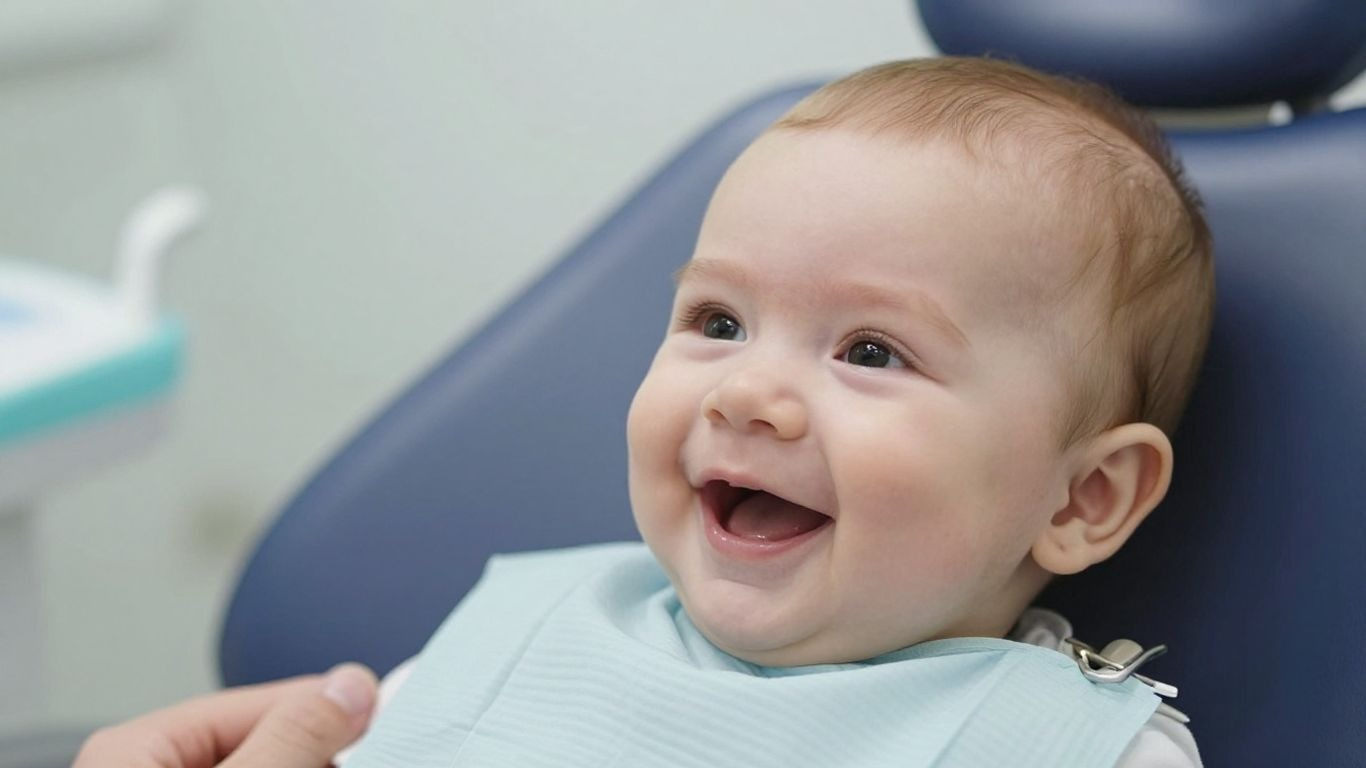
Figuring out when to take your little one for their very first dental check-up can feel like a puzzle. You see all those tiny teeth popping through, and you start to wonder, 'Now what?' It's totally normal to be unsure about the best time for that initial visit. But getting it right can make a big difference in how your child feels about the dentist for years to come. Let's break down what the experts say and what you can expect.
What Matters Most
- Schedule your baby's first dental visit by their first birthday or within six months of their first tooth appearing.
- Early dental visits help prevent cavities, monitor tooth and jaw development, and establish good oral hygiene habits.
- The first appointment is usually short and focuses on getting your child comfortable while the dentist checks their teeth and gums.
- Prepare your child by talking positively about the visit and avoiding scary language; practice at home can help.
- Watch for signs like tooth discoloration, swollen gums, or persistent bad breath, which might mean an earlier visit is needed.
Why Early Dental Visits Matter for Your Baby
Okay, so you might be thinking, "My baby doesn't even have that many teeth, why do they need to see a dentist?" It's a fair question! But here's the thing: those tiny pearly whites, or even just those little gums, are super important from the get-go. Getting your little one used to the dentist early on isn't just about checking for cavities (though that's part of it!). It's about setting them up for a lifetime of healthy smiles.
Think of it like this: baby teeth are like placeholders. They help your child chew their food properly, which is key for good nutrition. They also help your child speak clearly. And, importantly, they hold the space for those adult teeth that will eventually come in. If baby teeth fall out too early because of decay or injury, those adult teeth might not have enough room to come in straight, leading to more complicated (and expensive!) orthodontic work down the road.
Plus, a dentist can spot potential problems before they become big issues. Things like early signs of decay, gum problems, or even issues with how their jaw is developing can be caught early. They can also give you, the parent, some really helpful tips on how to keep those little teeth and gums clean, what foods are best, and how to handle teething.
Starting dental visits early helps your child get comfortable with the whole experience. It makes them less likely to be scared of the dentist later on. It's all about building positive associations from the start.
Here are a few reasons why those early visits are a big deal:
- Cavity Prevention: Even one or two teeth can develop cavities. Dentists can identify risks and show you how to prevent them.
- Gum Health: They'll check your baby's gums for any signs of irritation or infection.
- Developmental Checks: Dentists look at how your baby's mouth and jaw are growing, which is important for future teeth alignment.
- Habit Guidance: If your baby has habits like thumb-sucking or pacifier use that might affect their teeth, a dentist can offer advice.
- Parent Education: You'll get personalized advice on brushing techniques, diet, and what to expect as more teeth come in.
When Should Baby First See a Dentist? The Recommended Age
So, you're probably wondering, when should baby first see a dentist? It's a super common question, and honestly, the answer is simpler than you might think. The general rule of thumb is to schedule your baby's first dental visit by their first birthday, or within six months after that very first tooth pops through. Think of it as a "first tooth, first birthday" kind of deal.
This early visit isn't just about checking for cavities, though that's part of it. It's really about getting your little one comfortable with the dentist's office and starting good oral hygiene habits right from the get-go. The dentist can also give you, the parent, some pointers on how to best care for those tiny teeth, talk about feeding habits, and answer any questions you might have about teething or pacifier use.
Here's a quick rundown of the recommended timing:
- By Age 1: This is the latest you should aim for the first visit.
- Within 6 Months of First Tooth: If your baby gets their first tooth earlier than their first birthday, schedule a visit about six months after that.
It's all about establishing a positive relationship with dental care early on. This helps prevent problems down the road and makes future visits much less stressful for everyone involved. Don't sweat it if your baby cries a little; pediatric dentists and their staff are pros at handling little ones!
Remember, every baby is different, so while these are the general guidelines for the baby first dental visit age, don't hesitate to book an appointment sooner if you notice anything concerning. We'll cover those signs in another section!
What Happens at a Baby's First Dental Visit?
So, you've booked that first dental appointment for your little one. What exactly goes down during this visit? Think of it as a friendly introduction to the world of dental care, designed to be super chill for both you and your baby.
The dentist will start by giving your baby's mouth a gentle once-over. This isn't about drilling or scary tools; it's more like a quick check-up. They'll look at your baby's gums, check how their teeth are coming in (or if they're just starting to peek through), and make sure everything looks healthy. They're basically getting a feel for your baby's oral development.
Here's a breakdown of what you can expect:
- A gentle examination: The dentist will carefully look at your baby's teeth, gums, and how their jaw is developing. They're checking for any early signs of problems, like decay or issues with how the teeth are lining up.
- Cleaning (if needed): Sometimes, a very gentle cleaning might be done to remove any plaque buildup, especially if your baby already has a few teeth. It's usually quick and painless.
- Personalized advice: This is a big one! The dentist will chat with you about how to care for your baby's teeth at home. This includes tips on brushing techniques, the best kind of toothbrush and toothpaste to use, and advice on diet and nutrition to keep those baby teeth strong.
- Habit guidance: If your baby has habits like thumb-sucking or pacifier use, the dentist can offer gentle advice on managing these as your child grows.
The main goal of this first visit is to establish a positive relationship between your child and the dental team, and to give you, the parent, the information you need to keep your baby's mouth healthy. It's all about prevention and getting comfortable.
Don't be surprised if the dentist spends more time talking with you than actually examining your baby's mouth. They want to make sure you feel confident and prepared. This visit is as much for you as it is for your baby. They might also discuss fluoride and how it helps protect teeth, or if any future treatments might be beneficial down the road, but it's all done in a low-pressure way.
Tips for Kids: How to Make the First Tooth Dentist Appointment Stress-Free
Getting ready for your little one's first dentist appointment can feel like a big deal, but it doesn't have to be scary! These first tooth dentist appointment tips can help make it a breeze.
Let's make this a positive experience for everyone!
- Talk it Up (The Fun Way!): Before the big day, chat with your child about what will happen. You can read books about visiting the dentist or even play pretend at home. Let them be the dentist and you be the patient, or vice versa! Count their teeth, pretend to brush, and make it a game. This helps them know what to expect.
- Pick the Right Time: Try to schedule the appointment when your child is usually happy and well-rested. Maybe after a good nap or a yummy snack? A tired or hungry kiddo is more likely to be fussy, and we want them feeling their best.
- Bring a Comfort Buddy: Does your child have a favorite stuffed animal or blanket? Bringing a familiar friend can offer a lot of comfort in a new place. It's like having a little sidekick for support!
- Keep it Positive: Use simple, happy words when talking about the dentist. Phrases like "The dentist will count your teeth" or "They'll help keep your smile super strong" are great. Avoid words that might sound scary, and definitely don't share any of your own dental worries.
- Ask Questions: Don't be shy! The dental team is there to help you too. Have a few questions ready, like "How do I clean my baby's gums?" or "What toothbrush should I use?" This makes the visit productive for you as well.
- Celebrate Success: After the appointment, give your child lots of praise! Acknowledge how brave they were. Maybe a small sticker or a special story time can be a fun reward for a job well done.
Signs Your Baby May Need an Earlier Dental Visit
While the general advice is to book that first dental appointment by your baby's first birthday or within six months of their first tooth popping through, sometimes you might need to go in sooner. It's like when you notice your little one is a bit off – you don't always wait for a scheduled check-up if something seems wrong, right? The same goes for their tiny teeth.
Keep an eye out for these things:
- Changes in Gum Appearance: Are your baby's gums looking red, swollen, or even bleeding a bit? This could be a sign that plaque is building up and needs a professional's attention. Healthy gums are usually a nice pink color and don't bleed easily.
- Tooth Discoloration: You might notice spots on your baby's teeth that are white, brown, or even yellowish. These aren't just cosmetic; they can sometimes point to early signs of decay that a dentist can catch and treat before it becomes a bigger problem.
- Signs of Discomfort: Babies can't tell us they have a toothache, but they can show us. If your little one seems unusually fussy, distressed, or is having trouble sleeping or eating for reasons you can't pinpoint, a toothache could be the culprit. This is especially true if it seems linked to teething or feeding times.
- Unusual Habits: While thumb-sucking or pacifier use is common, if your baby is constantly sucking on their lip, or if these habits seem excessive and persistent, it might be worth getting a dentist's opinion. Sometimes, these habits can affect how their teeth line up as they grow.
If you're unsure about anything related to your baby's oral health, it's always better to err on the side of caution and call the dentist. They're the experts, and a quick check-up can offer peace of mind or catch something small before it turns into a headache later on.
How to Care for Your Baby's Teeth Between Dental Visits
So, your little one's pearly whites are starting to show, or maybe they're still just gums, but you're wondering what to do between those dentist appointments. It's actually pretty straightforward, and getting into a good routine now will make a big difference later on.
First off, let's talk about cleaning. Even before teeth pop through, you can gently wipe your baby's gums with a soft, damp cloth after feedings. Once those first teeth appear, it's time to step it up. Grab a soft-bristled infant toothbrush – the kind with a tiny head is best. You only need a tiny smear of fluoride toothpaste, about the size of a grain of rice. Brush twice a day, especially before bedtime. Make sure to get all the surfaces of the teeth and along the gum line.
Diet plays a huge role too. Try to keep sugary drinks and snacks to a minimum. When you do offer snacks, think fruits, veggies, or cheese. If your baby is still taking a bottle, avoid putting anything other than water in it, especially for naps or bedtime. Letting them fall asleep with milk or juice can really set the stage for cavities.
Here’s a quick rundown of what to aim for:
- Brushing: Use a tiny smear of fluoride toothpaste on a soft infant toothbrush twice daily.
- Diet: Limit sugary foods and drinks. Offer healthy alternatives.
- Bottle Habits: Never let your baby fall asleep with a bottle containing anything but water.
- Fluoride: Talk to your dentist about whether your baby is getting enough fluoride, especially if you use well water or bottled water.
Remember, baby teeth are super important! They help your child speak, chew, and they hold the space for permanent teeth to come in later. Taking care of them now is a big deal for their overall health and development.
Book Your Baby's First Dental Appointment Today
So, you've made it through the teething phase and maybe even seen a tiny tooth pop through. That's awesome! Now, it's time to think about that first official dental visit. It might seem a little early, but honestly, getting your little one acquainted with a dentist sooner rather than later is a super smart move for their long-term smile health.
Don't wait too long to schedule that first check-up; the recommendation is usually by their first birthday or when that first tooth appears, whichever comes first. It's all about getting a head start and making sure everything is developing just right. Think of it as a friendly introduction to good oral hygiene habits that will stick with them.
Here’s a quick rundown of what you can expect and why it's so beneficial:
- A Gentle Look-See: The dentist will do a quick, gentle exam. They'll check your baby's gums, any emerging teeth, and just generally see how things are looking in there. It’s not a big, scary procedure at all.
- Personalized Advice: You'll get some tailored tips on how to care for those little teeth, what to watch out for with diet, and how to handle common baby dental issues like teething.
- Building Familiarity: This visit helps your baby get used to the dental office environment. The goal is to make it a positive experience, so they don't develop any fears down the road.
Taking this step early helps catch any potential problems before they become bigger issues. It's also a great chance for you to ask all those burning questions you might have about your baby's oral health, like the best way to brush or what to do about pacifier use.
If you're in the Huntington Beach area and looking for a friendly face for your infant's dental needs, consider a pediatric dentist Huntington Beach infant specialists. They're trained to make these first visits smooth and reassuring for both you and your baby. Scheduling this appointment is a simple yet significant way to invest in your child's future health. Let's get that little smile on the path to a lifetime of health!
So, When's the Big Day?
Alright, so we've talked a lot about why taking your little one to the dentist early is a good idea. Remember, the general rule is to aim for their first birthday or within six months after that very first tooth pops through. It might seem early, but these first visits are super chill. They're mostly about getting your kiddo used to the place and giving you some pointers on keeping those tiny teeth healthy. Don't stress if your child gets a little fussy; it's totally normal! The main thing is to start building good habits now so your child grows up with a happy, healthy smile. You've got this!
Frequently Asked Questions
When is the right time for my baby's first dental visit?
The best time for your baby's first dental visit is either when their first tooth pops through, which is usually around 6 months, or by the time they turn one year old, whichever comes first. This early check-up is super important for catching any potential problems early on and setting up good habits.
What actually happens during a baby's first dental appointment?
At the first visit, the dentist will gently check your baby's teeth and gums for any signs of trouble, like early cavities. They'll also look at how your baby's jaw is developing and how their bite is forming. Plus, the dentist will give you tips on how to clean your baby's teeth and gums, what foods are best, and how to handle things like teething.
Why is it so important to take my baby to the dentist so early?
Even though baby teeth will eventually fall out, they are crucial for your child's development. Healthy baby teeth help with eating, speaking clearly, and saving space for the adult teeth that will come later. Early visits also help your child get used to the dentist, making future appointments less scary.
What if my baby seems to have a dental problem before their first birthday?
If you notice anything unusual with your baby's mouth, like white or brown spots on their teeth, gums that are red or bleeding, or if your baby seems to be in pain when eating, don't wait for their first birthday. Schedule a visit with the dentist sooner. It's always better to get things checked out if you're worried.
How can I make my baby's first dental visit less stressful?
You can help by staying calm and positive yourself. Talk about the dentist in a happy way, like they're going to count teeth or help keep smiles strong. Bringing a favorite toy can also help your baby feel more secure. Try to schedule the appointment for a time when your baby is usually well-rested and fed.
What should I do to care for my baby's teeth between dental visits?
Before teeth even appear, you can gently wipe your baby's gums with a clean, damp cloth after feedings. Once teeth start coming in, use a tiny smear of fluoride toothpaste (about the size of a grain of rice) on a soft baby toothbrush and brush twice a day. Avoid putting your baby to bed with a bottle of anything other than water.
Blog Post Author

Contributed by DentalROI
DentalROI provides relevant dental content to help providers educate patients. The statements, services, and products referenced in this article have not been evaluated by the Food and Drug Administration, and they are not intended as a substitute for professional medical advice, diagnosis, or treatment. Always seek the advice of your dental provider with any questions or issues you may have. Specific recommendations may vary in different circumstances, so individual consultation is important.