

Frenectomies
Dentist Huntington Beach

FRENECTOMIES AT OUR HUNTINGTON BEACH OFFICE

At our Huntington Beach pediatric dental practice, we understand that oral development plays a crucial role in your child’s overall well-being. Frenectomies, also known as tongue-tie and lip-tie releases, are minimally invasive procedures that can significantly improve your child’s ability to eat, speak, and even sleep.

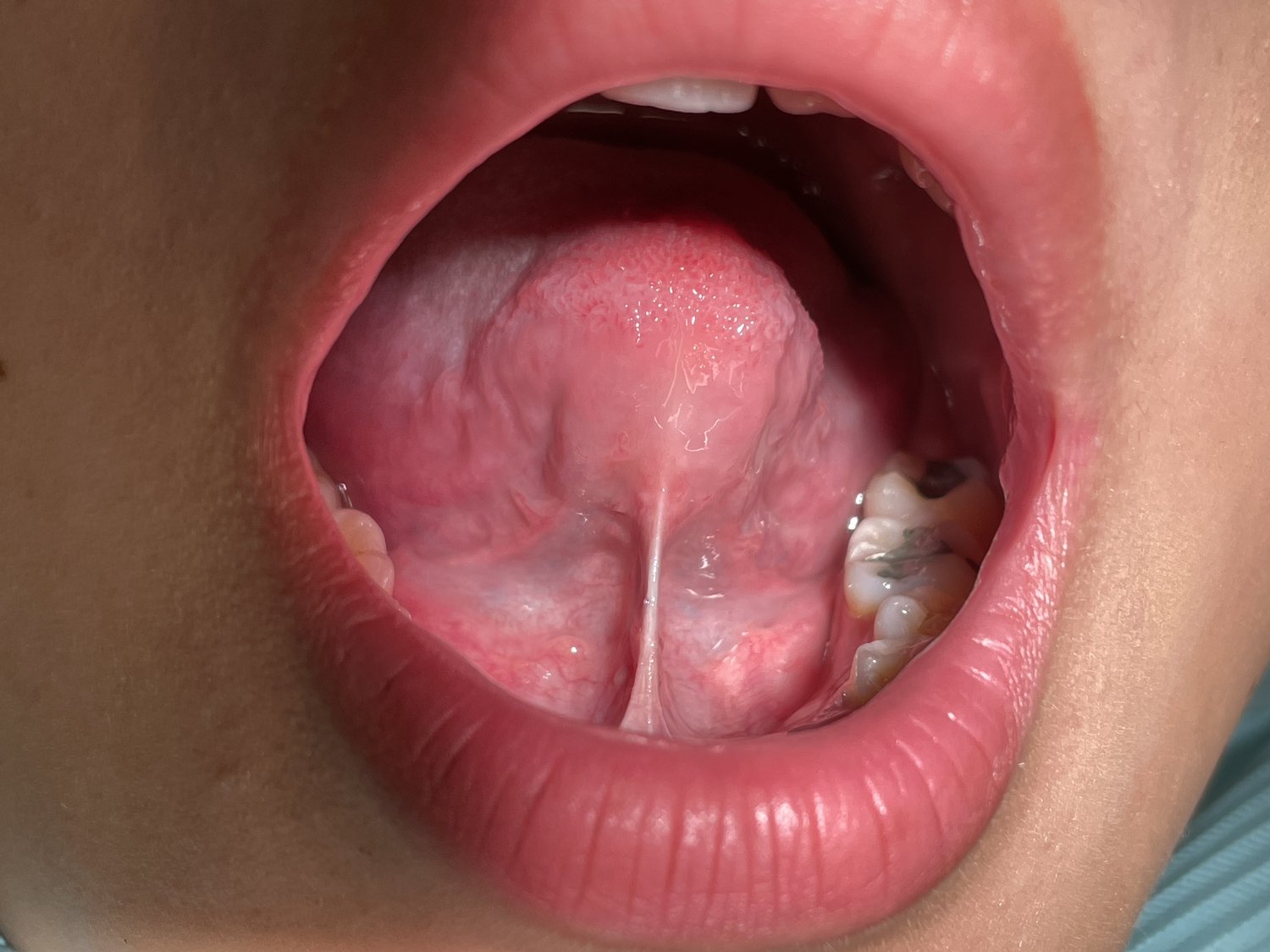
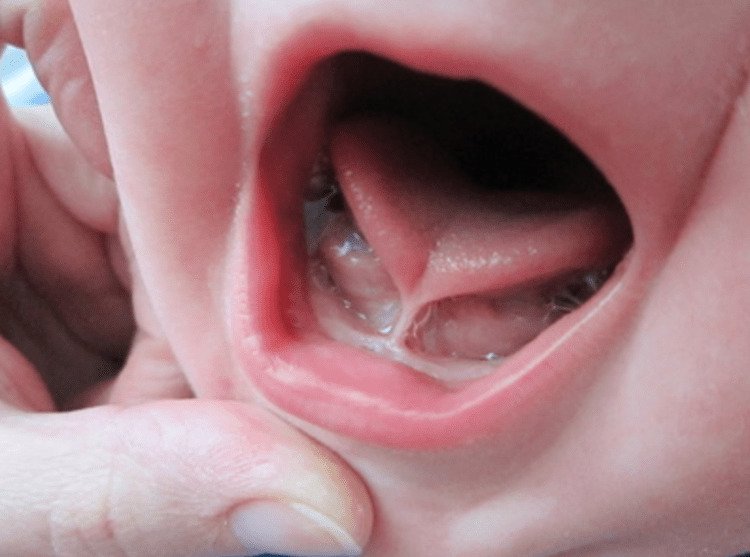
Tongue-tie and lip-tie occur when a small piece of tissue restricts tongue or lip movement. This can cause difficulty breastfeeding or bottle-feeding in infants, leading to frustration and latching problems. In toddlers and older children, it can affect speech development, cause trouble chewing, and contribute to sleep issues.

Frenectomies are quick, often laser-assisted procedures performed in our comfortable office setting. We prioritize a gentle approach to minimize discomfort for your child. Following a frenectomy, most children experience immediate improvement in their oral function.

If you have concerns about your child’s tongue or lip mobility, or suspect a tongue-tie or lip-tie, please schedule a consultation. We’re here to answer your questions and help your child thrive.


Schedule a Consultation

A frenectomy is a simple procedure that releases a tight or restrictive piece of tissue called a frenum — the small band of tissue that connects the tongue to the floor of the mouth (tongue tie) or the upper lip to the gum (lip tie). When this tissue is too short, too thick, or positioned too far forward, it limits normal movement and can interfere with breastfeeding, bottle feeding, speech development, and even dental alignment as your child grows. At Brookhurst Pediatric Dentistry and Orthodontics, we perform laser frenectomies for infants and children in Huntington Beach using the Solea® laser system for a precise, minimally invasive release. Signs your baby may need a frenectomy include difficulty latching during breastfeeding, poor weight gain, clicking sounds while nursing, a notched or heart-shaped tongue tip, or persistent pain for the nursing mother. If you have noticed any of these signs, an evaluation with our team can quickly determine whether a frenectomy is the right next step for your baby.
Recognizing the signs of tongue tie or lip tie in a newborn early can make a significant difference in feeding success and overall comfort for both baby and mother. Common signs of a tongue tie in a newborn include an inability to extend the tongue past the lower gum line, a tongue that appears notched or heart-shaped when extended, difficulty lifting the tongue to the roof of the mouth, and poor latch during breastfeeding that causes nipple pain, compression, or creasing. Signs of a lip tie in a newborn include an upper lip that cannot flange outward properly during nursing, visible tight tissue connecting the upper lip tightly to the gum, and a baby who slides off the breast or takes in excessive air while feeding. Many newborns have both a tongue tie and a lip tie simultaneously. At Brookhurst Pediatric Dentistry and Orthodontics, we offer early evaluations for infants with suspected ties so families can get clear answers and move forward with confidence.
Laser frenectomy for infants is considered a very safe and well-tolerated procedure, and it is significantly gentler than traditional frenectomy techniques that use scissors or a scalpel. At Brookhurst Pediatric Dentistry and Orthodontics, frenectomies are performed using the Solea® laser, which precisely releases the restrictive tissue with minimal bleeding, no stitches, and a greatly reduced risk of infection. The procedure itself is extremely quick — typically completed in just a few seconds per site. Infants are given a topical numbing agent beforehand, and most babies calm down within minutes of the procedure, often feeding immediately afterward. While no procedure is completely without discomfort, the Solea® laser causes far less trauma to surrounding tissue than conventional methods, making the experience as easy as possible for your baby. Post-procedure soreness is typically mild and short-lived, manageable with gentle aftercare exercises and, if needed, infant-appropriate pain relief recommended by our team.
Recovery after a tongue tie or lip tie release in Huntington Beach is generally quick, especially when the procedure is performed with a laser. Most infants experience some mild soreness and fussiness for one to two days following the procedure, and many feed more comfortably within the first 24 to 48 hours as the restriction is relieved. Full tissue healing typically occurs within two to four weeks. An important part of the recovery process is performing gentle stretching exercises on the release site several times a day — usually for three to four weeks — to prevent the tissue from reattaching as it heals. At Brookhurst Pediatric Dentistry and Orthodontics, we provide detailed aftercare instructions and are available to answer questions throughout the healing process. We also recommend working with a lactation consultant before and after the procedure for breastfeeding families, as proper latch technique and oral muscle retraining often work hand in hand with the frenectomy for the best possible outcome.
Yes — an unresolved tongue tie or lip tie can significantly affect both speech and eating as your child grows, though the severity varies depending on the degree of restriction. In infants, the most immediate impact is on feeding — a restricted tongue cannot move freely enough to create the suction and compression needed for effective breastfeeding or bottle feeding. As children get older, tongue tie can affect speech development by limiting the tongue movements needed to produce certain sounds clearly, including sounds like "l," "r," "t," "d," "n," "th," and "sh." A lip tie can affect the ability to close the lips fully, which may impact speech clarity and dental hygiene around the upper front teeth. Eating certain textures of food and self-cleaning of the mouth can also be impaired. At Brookhurst Pediatric Dentistry and Orthodontics, early evaluation and treatment gives children the best chance of normal feeding, clear speech development, and healthy dental alignment without unnecessary long-term complications.
For many families, a frenectomy to fix breastfeeding problems caused by tongue tie is genuinely life-changing. When a tongue tie is the primary cause of latch difficulty, a laser frenectomy releases the restriction and allows the tongue to move more freely — often resulting in a noticeably improved latch, reduced nipple pain for the mother, better milk transfer, and a more settled and satisfied baby at the breast. However, it is important to understand that a frenectomy is one part of the solution, not always the complete fix on its own. Breastfeeding involves a learned set of muscle movements, and many babies benefit from working with a certified lactation consultant both before and after the procedure to retrain their latch and oral mechanics. At Brookhurst Pediatric Dentistry and Orthodontics, we encourage families to have a lactation consultant involved throughout the process for the best possible outcome. When the procedure and feeding support are combined, the results for tongue-tied newborns in Huntington Beach are typically excellent.