

DENTAL CARE FOR YOUR BABY

Congratulations on the arrival of your baby! Are you prepared for the arrival of your baby’s first tooth? Follow these guidelines and your son or daughter will be on the way to a lifetime of healthy smiles!

Dentist Huntington Beach

Caring for Gums

Even before your baby’s first tooth appears, the gums can benefit from your careful attention. After breast- or bottle-feeding, wrap one finger with a clean, damp washcloth or piece of gauze and gently rub it across your baby’s gum tissue. This practice both clears your little one’s mouth of any fragments of food and begins the process for building good daily oral care habits.

Brushing Your Little One's Teeth

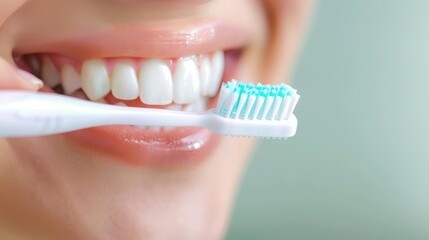
When that first tooth makes an entrance, it’s time to upgrade to a baby toothbrush. We recommend a long-handled toothbrush that you and your baby can hold at the same time. The bristles need to be soft to prevent abrasion of your baby's teeth and gums.

If your little one doesn’t react well to the introduction of a toothbrush, don’t give up. Switch back to a damp washcloth for a few days and try the toothbrush again. During the teething process, your child will want to chew on just about anything, and a baby toothbrush with a teether can become a favorite toy during this period. As for toothpaste, the American Dental Association Scientific Council recommends using a smear amount or grain of rice amount of fluoridated toothpaste as soon as teeth begin to come into the mouth up through 3 years of age. Apply the appropriate amount of toothpaste for them. This way you could monitor the amount of toothpaste being used.

Once your child is past 3 years old, a pea-sized amount of fluoridated toothpaste is recommended to get the maximum anti-cavity effects. Supervise their brushing to minimize swallowing of toothpaste. At any age, teeth should be brushed twice daily (morning and night). Ask Dr. Chu at your child's visit if you have any further questions. We are always here to help!

Dentist Huntington Beach

Avoiding Cavities

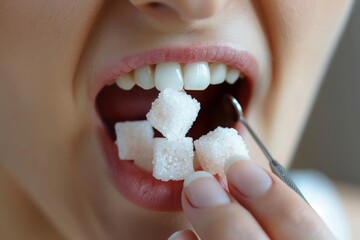
Don’t give your baby any sort of sweetened liquids such as flavored drinks or soda. Even the sugars present in fruit juice, formula, and milk (this goes for breast milk as well) can cause decay, so regular teeth and gum cleaning is vital. Also, make sure your baby never goes to bed with a bottle; sugary liquids in prolonged contact with teeth are a guarantee for early-childhood decay, also called baby-bottle caries.

First Visit to the Dentist

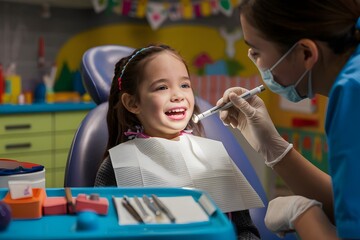
It’s recommended that you bring your baby in for a dentist visit within six months of the first tooth’s eruption – usually around his or her first birthday. Since decay can occur in even the smallest of teeth, the earlier your baby visits us, the more likely he or she is to avoid problems. We’ll look for any signs of early problems with your baby’s oral heath, and check in with you about the best way to care for your little one's teeth. Remember that preparing for each dental visit with a positive attitude goes a long way toward making your child comfortable with regular checkups.
Dentist Huntington Beach

Setting a Good Example

As part of the natural learning process, little ones are expert mimics, and you can take advantage of this talent. Brush and floss daily while your child is watching, and he or she will intuit at an early age the importance of your good habits. As soon as your child shows interest, offer a toothbrush of his or her own and encourage your toddler to “brush” with you. (You’ll find toothbrushes with chunky, short handles that are easy to grip.) Most children don’t have the dexterity necessary to thoroughly clean their own teeth until they’re about six or seven, so you’ll have to do that part of the job. Try different tactics to make brushing fun: flavored toothpaste, a toothbrush with a favorite character on it, or singing songs about brushing. The primary goal is to instill healthy oral habits at an early age to set your child up for a lifetime of healthy, cavity-free teeth!


Schedule a Consultation

The right time to bring your baby to a pediatric dentist in Huntington Beach for the first time is by their first birthday — or within six months of their first tooth appearing, whichever comes first. At Brookhurst Pediatric Dentistry and Orthodontics, we welcome infants for these early visits and try to make every appointment gentle and brief. We would like to make sure your baby is comfortable and you are relaxed as a parent. The first visit is less about extensive dental work and more about establishing a dental home, checking that your baby's gums, teeth, and jaw are developing normally, and giving you personalized guidance on feeding habits, brushing, and cavity prevention. Starting this early also means your baby grows up knowing the dental office as a familiar, safe place — which makes every future visit significantly easier. The first dental visit for a baby in Huntington Beach sets the tone for a lifetime of healthy dental habits.
Cleaning your newborn's gums before any teeth appear is one of the simplest and most important things you can do for their long-term oral health. At Brookhurst Pediatric Dentistry and Orthodontics, we recommend using a clean, soft, damp washcloth or a silicone finger brush to gently wipe your baby's gums after every feeding — including nighttime feeds. This removes milk residue and bacteria that can build up on the gum tissue and cause problems once teeth begin to emerge. No toothpaste is needed at this stage — plain water and a soft cloth are all it takes. Making gum-wiping part of your daily routine from birth means your baby will be accustomed to having their mouth touched and cleaned, which makes the transition to tooth brushing much smoother when the first teeth arrive. Cleaning a newborn's gums is a tiny habit that pays off enormously as your child grows.
The most common signs of teething in babies include drooling more than usual, chewing or gnawing on everything in sight, swollen or tender-looking gum tissue, increased fussiness, and difficulty sleeping. Some babies sail through teething with minimal discomfort while others find it quite distressing — every child is different. To soothe your baby's sore gums during teething, try gently rubbing the gums with a clean finger, offering a chilled (not frozen) teething ring, or using a cold damp washcloth for them to chew on. Over-the-counter teething gels that contain benzocaine are no longer recommended for infants, as they carry safety risks. If your baby seems particularly uncomfortable, consult your pediatrician about age-appropriate pain relief. At Brookhurst Pediatric Dentistry and Orthodontics, we are happy to answer teething questions at any visit and can check your baby's gum tissue to confirm that eruption is progressing normally and comfortably.
Thumb sucking and pacifier use are completely normal self-soothing behaviors in infants and young toddlers, and in most cases they do not cause lasting dental problems if the habit stops early enough. The concern arises when these habits continue beyond age 3 to 4, at which point they can begin to affect the shape of the jaw, the alignment of incoming teeth, and the development of the bite — potentially leading to an open bite or protruding front teeth. Pacifier use is generally considered slightly easier to discontinue than thumb sucking since it can simply be taken away. At Brookhurst Pediatric Dentistry and Orthodontics, we monitor the effects of these habits at every routine visit and give families practical, age-appropriate guidance on how and when to wean a child off them. If your child is still sucking their thumb or using a pacifier past age 3, mention it at your next appointment so we can assess whether any early intervention is needed.
Baby bottle tooth decay — also called early childhood caries — is one of the most common and preventable dental problems in infants and toddlers, and it develops when babies' teeth are frequently exposed to sugary liquids like milk, formula, fruit juice, or sweetened drinks for prolonged periods. The most effective ways to prevent it include never putting your baby to bed with a bottle of anything other than water, wiping your baby's gums and early teeth after every feeding, transitioning from a bottle to a sippy cup around 12 months, and limiting juice intake altogether in the first year of life. Bacteria in the mouth feed on the sugars left behind by milk and juice and produce acid that attacks developing enamel — even on brand-new baby teeth. At Brookhurst Pediatric Dentistry and Orthodontics, preventing baby bottle tooth decay in Huntington Beach is a topic we cover in depth at your baby's very first visit, so your family has a clear, practical plan from the very start.
Baby teeth typically begin erupting around 6 months of age, starting with the lower central incisors — the two bottom front teeth. The upper front teeth usually follow shortly after, and by age 3 most children have a full set of 20 primary teeth. The general eruption order moves from front to back: central incisors first, then lateral incisors, followed by the first molars, canines, and finally the second molars. However, the exact timing varies from child to child, and some babies cut their first tooth as early as 4 months or as late as 12 months — both are within the normal range. At Brookhurst Pediatric Dentistry and Orthodontics, dental care for your baby in Huntington Beach should begin as soon as that first tooth appears, and no later than the first birthday. Early visits allow our team to confirm that eruption is on track and that your baby's gums and developing teeth are healthy from the very beginning.