

If your child is self-conscious about smiling, having braces can greatly improve the way he or she looks and feels.
When treatment is complete, your child will have an amazing, healthy smile, as well as the confidence to show it off! We want you and your child to feel comfortable and confident throughout the entire orthodontic experience, so our dental practice in Huntington Beach CA is dedicated to making sure that your child receives the quality care they deserve.
Orthodontic appliances are made of metal, ceramic, or plastic. They may be removable or they may be brackets bonded to the teeth. By placing a constant, gentle force in a carefully controlled direction, braces slowly move teeth to the proper position.
Gone are the days when a metal band with a bracket was placed around each tooth. Orthodontic patients can now choose brackets that are clear or metallic, and in some cases, customize the color of the appliance. Wires are far less noticeable, and the latest materials are designed to move teeth faster with more comfort.
Depending on several factors, including age, treatment method, and how minor or severe your child’s case is, treatment time varies and can last between one and three years. Receiving interceptive, or early treatment, can also help provide a quicker treatment time later on in life. Another big factor to a successful treatment is your child’s cooperation. The more involved and diligent your child is, the quicker and more efficient treatment will be.
Before beginning your child’s orthodontic care, our doctor will discuss all of your child’s options and provide an estimate for how long full treatment may take. Please contact our practice to schedule an appointment and learn more about orthodontics and the treatments we provide.


Traditional metal braces are the most common type of braces and are more comfortable today than ever before. Made of high-grade stainless steel, metal braces straighten teeth by using metal brackets and archwires. With metal braces, there is the option of adding colored elastics (rubber bands) for a more unique and colorful smile.
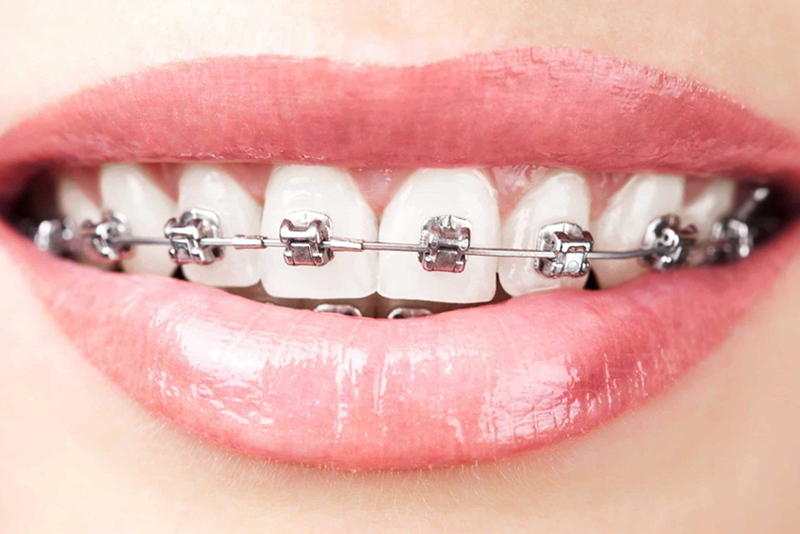
Self-ligating braces are made from the same materials as traditional braces; however, self-ligating braces do not require the use of elastics, meaning fewer appointments and less friction being placed on the tooth. Self-ligating braces come with traditional metal, ceramic, or clear brackets. They are the same size as metal braces, but they use a specialized clip in place of elastics to help the archwire guide teeth into place. The clip helps reduce the amount of pressure being placed on the tooth and requires fewer adjustments because there are no elastics to replace.
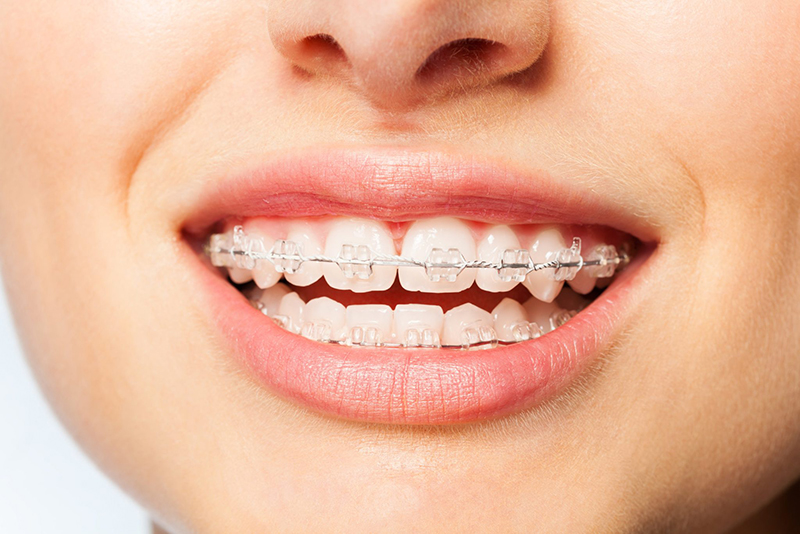
Ceramic braces are made of clear materials and are therefore less visible on the teeth than metal braces. For this reason, ceramic braces are used mainly on older teenagers who have cosmetic concerns. While they are visually less prominent, they do require more attention to oral hygiene, as ceramic braces are larger and more brittle than their metal counterparts. For these reasons, ceramic braces tend to be used more on upper front teeth rather than on lower teeth.
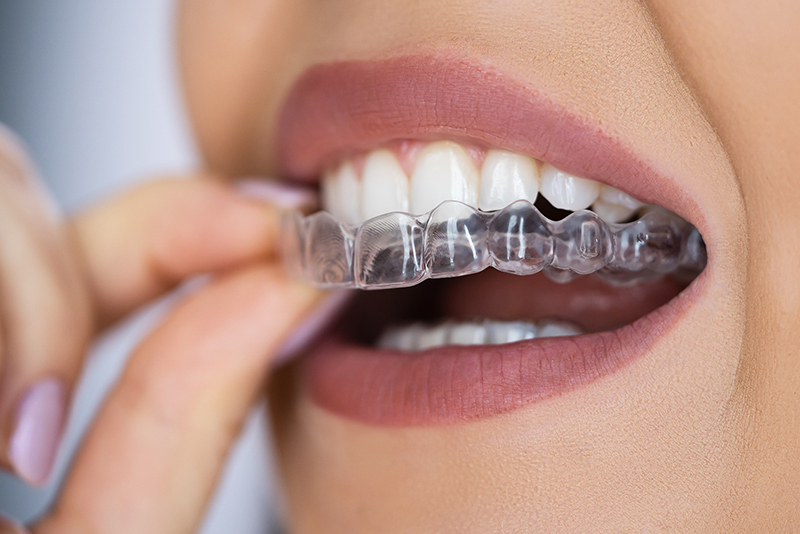
Clear aligners are a series of invisible, removable, and comfortable acrylic trays that straighten the teeth like braces. Not only are the aligners invisible, they are also removable, allowing your child to eat and drink without concern while in treatment. Plus, this helps to make brushing and flossing less of a hassle. The aligners are comfortable and have no metal to cause mouth abrasions during treatment.
It sounds early, but age 7 is actually the "sweet spot" recommended by the American Association of Orthodontists. By this age, most kids have a mix of baby and adult teeth (what we call "mixed dentition"), and their first permanent molars have usually arrived to lock in the back of the bite.
At this stage, our orthodontist, Dr. Shawn Yu, can see how the jaw is growing and if there’s enough room for the rest of the adult teeth to fit. For most kids, this visit is just a "wait and see" baseline. But for a few, catching a jaw issue early—while they are still growing—can prevent much more invasive surgery or extractions later on. Plus, since we're right here in the same office, we can often do this evaluation during your child's regular cleaning!
When we treat kids between ages 6 and 10, we call it Phase 1 or "interceptive" treatment. We aren't usually looking for a perfect Hollywood smile yet; we’re looking to fix the "foundation." This includes:
The biggest perk? Your time. You don't have to drive all over Orange County to get your kids to different specialists.
Beyond convenience, there’s a huge clinical benefit. Dr. Beanca Chu and Dr. Shawn Yu share the same digital records and talk to each other in real-time. If Dr. Yu notices a tiny spot that might become a cavity under a bracket, our pediatric team is right there to handle it. It’s seamless, high-quality care where everyone is on the same page about your child’s health.
Not at all. We take a conservative approach here. Our process typically follows these steps if needed:
If your child has plenty of room and a healthy bite, we’ll simply wait until they have all their adult teeth and do everything in one single phase. Dr. Yu will always be transparent with you about whether early intervention is a "must" or a "maybe."
Every smile is different, but treatment lengths generally fall into these categories:
The biggest factor in how fast we finish? Cooperation. If your child wears their elastics as directed and keeps their teeth clean, we can often finish right on schedule—or even a little early!
Both are excellent tools, but they fit different lifestyles:
During your consultation, Dr. Yu will show you both options and help you decide which one matches your teen's responsibility level and your family's goals.
Our team at Brookhurst Pediatric Dentistry and Orthodontics provides fun, loving, and comfortable dental care for children, teens, and patients with special needs. Dr. Beanca Chu, our Huntington Beach pediatric dentist, and Dr. Shawn Yu, our Huntington Beach orthodontist, are both board-certified and dedicated experts in their dental specialty.