
How Much Sugar Is Too Much for Your Child's Teeth
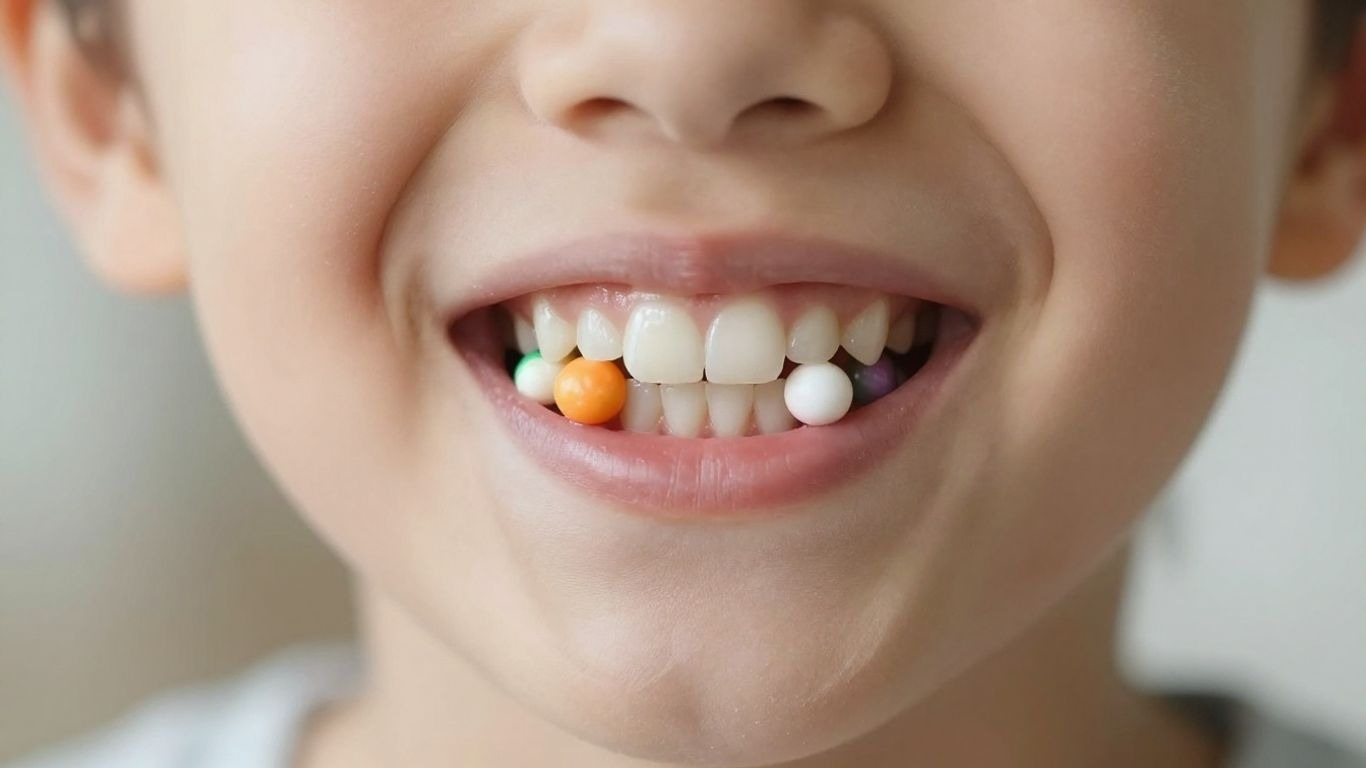
It's a question many parents grapple with: just how much sugar is okay for our kids' teeth? We all know sugar isn't exactly a health food, but understanding the specifics, especially when it comes to dental health, can be tricky. The general consensus from health experts is that kids should aim for less than 25 grams of added sugar per day. That's about six teaspoons, or roughly 100 calories. Going over this limit regularly can really start to cause problems, and tooth decay is a big one.
How Many Grams of Sugar Per Day for Kids Is Safe?
Figuring out daily sugar limits can feel like a puzzle. Different age groups have slightly different recommendations, but the goal is always to keep added sugars low. Here's a general idea:
- Ages 4-6: Aim for around 19 grams (about 5 teaspoons).
- Ages 7-10: Try to stay under 24 grams (about 6 teaspoons).
- Ages 11+: The limit can go up to about 30 grams (around 7 teaspoons).
It's surprisingly easy to hit these numbers. A single can of soda can blow past the daily limit for younger kids, and even seemingly healthy options like flavored yogurt, cereal bars, and fruit juice can add up fast. Remember, these limits are for added sugars. Sugars naturally found in whole fruits are a bit different because they're wrapped up in fiber, which slows down how your body processes them. But once fruit is juiced or blended, that sugar is much more available to cause trouble.
How Much Sugar Is Bad for Kids' Teeth?
So, how much sugar is actually bad for kids' teeth? It's not just about the total amount, but also how often sugar makes contact with their teeth. Every time your child eats or drinks something sugary, the bacteria in their mouth have a field day. They feed on the sugar and produce acids. These acids are the real culprits; they start to break down the enamel, the hard outer layer of the teeth.
If sugar attacks happen too often throughout the day, the mouth doesn't have enough time to repair the enamel. This constant assault can lead to tiny holes, which eventually become cavities. It's a cycle that can be hard to break without paying attention to what and how often our kids are snacking.
Think of it like this: the more frequently sugar is present, the more chances those acid attacks have to weaken the teeth. This is why even small amounts of sugar consumed frequently can be more damaging than a larger amount consumed all at once during a meal. Limiting sugary drinks and snacks between meals is a key strategy for protecting those pearly whites.
Sugar and Tooth Decay in Children Explained
Sugar's Effects on Children's Dental Health
So, let's talk about sugar and how it messes with your kiddo's teeth. It's not like sugar particles magically stick to their teeth and melt them away. Nope, it's a bit more involved than that. Our mouths are basically little ecosystems, full of all sorts of bacteria. Some of these bacteria are pretty chill, but others, especially the ones that love sugar, can cause trouble. When your child eats or drinks something sweet, these sugar-loving bacteria have a feast. As they munch away, they create acid as a byproduct. This acid is the real culprit; it starts to wear down the tough outer layer of the teeth, called enamel. Think of it like a slow erosion.
This whole process is called demineralization. Our saliva usually helps out by neutralizing the acid and rebuilding the enamel. But here's the kicker: if your child is constantly snacking on sugary stuff throughout the day, their mouth doesn't get a break. The acid attacks happen too often, and the saliva can't keep up. This constant acid bath is what leads to those dreaded cavities.
Here's a quick rundown of what happens:
- Bacteria Party: Sugar is the favorite food for certain mouth bacteria.
- Acid Attack: These bacteria produce acid when they eat sugar.
- Enamel Erosion: The acid eats away at the tooth's protective enamel layer.
- Cavity Formation: Over time, this erosion creates holes, which are cavities.
It's a cycle that, unfortunately, can happen pretty quickly if sugary treats are a regular thing. The more frequently sugar is introduced, the more chances those bacteria have to make acid and do damage. It's why limiting sugary drinks and snacks, especially between meals, is so important for keeping those little teeth healthy and strong.
The key takeaway is that it's not just about the amount of sugar, but also how often it's consumed. Frequent sips of juice or small bites of candy throughout the day can be more damaging than a single sweet treat consumed quickly with a meal.
Foods That Cause Cavities in Kids
Okay, so we all know that sugary stuff isn't great for our kids' teeth, but what exactly are the main culprits when it comes to cavities? It's not just the obvious candy bars and cookies, though those are definitely high on the list. The real sneaky ones are often hidden in plain sight.
Which Hidden Sugars Damage Kids' Teeth Most?
When we talk about foods that cause cavities in kids, it's important to remember that it's not just about the amount of sugar, but also how often those teeth get hit with it. Bacteria in our mouths love sugar. They munch on it and then, yuck, they produce acid. This acid is what eats away at the tooth's protective outer layer, called enamel. If this happens too often, you get holes, which we call cavities.
Here are some common offenders that you might not think about as much:
- Sweetened Cereals: Even those marketed as "healthy" or "whole grain" can be loaded with added sugar to make them taste better. Starting the day with a sugar rush isn't ideal.
- Yogurts and "Fruit" Drinks: Flavored yogurts, especially those with fruit bits or swirls, often have a surprising amount of sugar. Same goes for fruit juices and even some "fruit" pouches – the sugar is released from the fruit's natural structure, making it easier for bacteria to access.
- Sauces and Condiments: Ketchup, BBQ sauce, and even some pasta sauces can pack a sugary punch. They might seem like small additions, but they add up.
- Snack Bars: Cereal bars, granola bars, and "energy" bars are often disguised as healthy options but can be sugar bombs.
It's also worth noting that sticky foods are particularly bad because they tend to hang around on the teeth longer, giving those bacteria more time to party.
The frequency of sugar exposure is a big deal. Think of it like this: one sugary treat eaten quickly during a meal is less damaging than sipping on a sugary drink for an hour or grazing on sweets all afternoon. Each sugary encounter starts an acid attack that can last for about 20 minutes.
Here's a quick look at some common categories:
- Food Category: Sweets & Desserts
- Examples: Candy, cookies, cakes, doughnuts, ice cream
- Food Category: Sugary Drinks
- Examples: Soda, fruit juice, sports drinks, sweetened tea
- Food Category: Breakfast Foods
- Examples: Sugary cereals, pastries, pancakes with syrup
- Food Category: Processed Snacks
- Examples: Fruit snacks, granola bars, fruit pouches
- Food Category: Condiments & Sauces
- Examples: Ketchup, BBQ sauce, some salad dressings
How to Protect Kids' Teeth From Sugar
Okay, so we know sugar isn't great for little teeth. But what can we actually do about it? It's not about banning all sweets forever, which usually backfires anyway. It's more about making smart choices and building good habits. Here's the lowdown on how to protect kids' teeth from sugar.
Healthy Habits to Prevent Sugar-Related Cavities
Let's get real, kids love snacks and treats. The key is to manage when and what they're eating. It's not just the total amount of sugar, but how often those little teeth get hit with acid. Every time they eat something sugary, it starts an acid attack that can last for a good 20 minutes. If they're sipping on juice all afternoon, that's a long time for their teeth to be under attack!
Here are some practical ways to cut down on sugar's impact:
- Make water the go-to drink. Seriously, water is the best. If they need something else, plain milk is a good second choice because of the calcium. Ditch the sugary juices and sodas.
- Whole fruit over fruit juice. An apple or some berries have natural sugars, sure, but they also come packed with fiber. Juice, even 100% juice, strips away that fiber and concentrates the sugar, making it way worse for teeth.
- Check cereal boxes. Many cereals, even ones that look healthy, are loaded with sugar. Look for options with less than 5 grams of sugar per serving. Plain oatmeal or basic Shredded Wheat are usually good bets.
- Cook more at home. When you make meals yourself, you have way more control over how much sugar goes in. Store-bought sauces, baked beans, and even ketchup can be sneaky sugar bombs.
- Rethink rewards. Using candy as a reward? Try something else! A sticker, a high-five, or a fun activity can be just as motivating without the sugar rush and subsequent tooth decay.
Remember, it's about balance. Making lower-sugar options the norm and saving the really sweet stuff for occasional treats makes a big difference. Don't make sugar forbidden, just less frequent.
Wrapping It Up
It's easy to get caught up in the daily rush, but keeping an eye on sugar intake is super important for your child's teeth. Remember, it's not just about avoiding candy; hidden sugars are everywhere! By making smart choices, reading labels, and keeping up with brushing and dentist visits, you can help your child have a healthy, happy smile for years to come. Small changes now can make a big difference later.
Frequently Asked Questions
How much sugar is okay for my child each day?
For kids aged 4 to 6, aim for less than 19 grams, which is about 5 teaspoons. Older kids, from 7 to 10, can have up to 24 grams (about 6 teaspoons). Teens aged 11 and up should stay under 30 grams, or around 7 teaspoons. It's easy to go over, especially with drinks like soda or juice.
What exactly does sugar do to my child's teeth?
Think of sugar as food for the bad bacteria in your child's mouth. These tiny germs eat the sugar and then make acid. This acid is what eats away at the hard outer layer of the teeth, called enamel. Over time, this can lead to holes, which we call cavities.
Are sugary drinks really that bad?
Yes, they can be a big problem. Drinks like soda, juice, and even sports drinks often have tons of sugar. When your child sips on these for a long time, their teeth are constantly under attack from the acid. It's much better to stick to water or milk.
What are some 'hidden' sugars I should watch out for?
You might be surprised! Sugars are hiding in things like flavored yogurts, breakfast cereals, cereal bars, ketchup, pasta sauces, and even some dried fruits. Always check the nutrition labels to see how much sugar is really in there.
Is it just the amount of sugar, or does how often they eat it matter too?
Both are important, but how often matters a lot! Every time your child eats sugar, it starts an acid attack that can last for about 20 minutes. If they're constantly snacking on sugary things, their teeth are under attack much more often. It's better to have treats with meals rather than spread out.
How can I help protect my child's teeth from sugar?
Besides limiting sugary foods and drinks, make sure your child brushes their teeth twice a day and flosses. Regular check-ups with the dentist are also key. The dentist can clean their teeth and spot any early problems before they get serious.
Blog Post Author

Contributed by DentalROI
DentalROI provides relevant dental content to help providers educate patients. The statements, services, and products referenced in this article have not been evaluated by the Food and Drug Administration, and they are not intended as a substitute for professional medical advice, diagnosis, or treatment. Always seek the advice of your dental provider with any questions or issues you may have. Specific recommendations may vary in different circumstances, so individual consultation is important.