
When Do Babies Start Teething? Timeline, Symptoms, and Safe Relief
When Do Babies Start Teething?
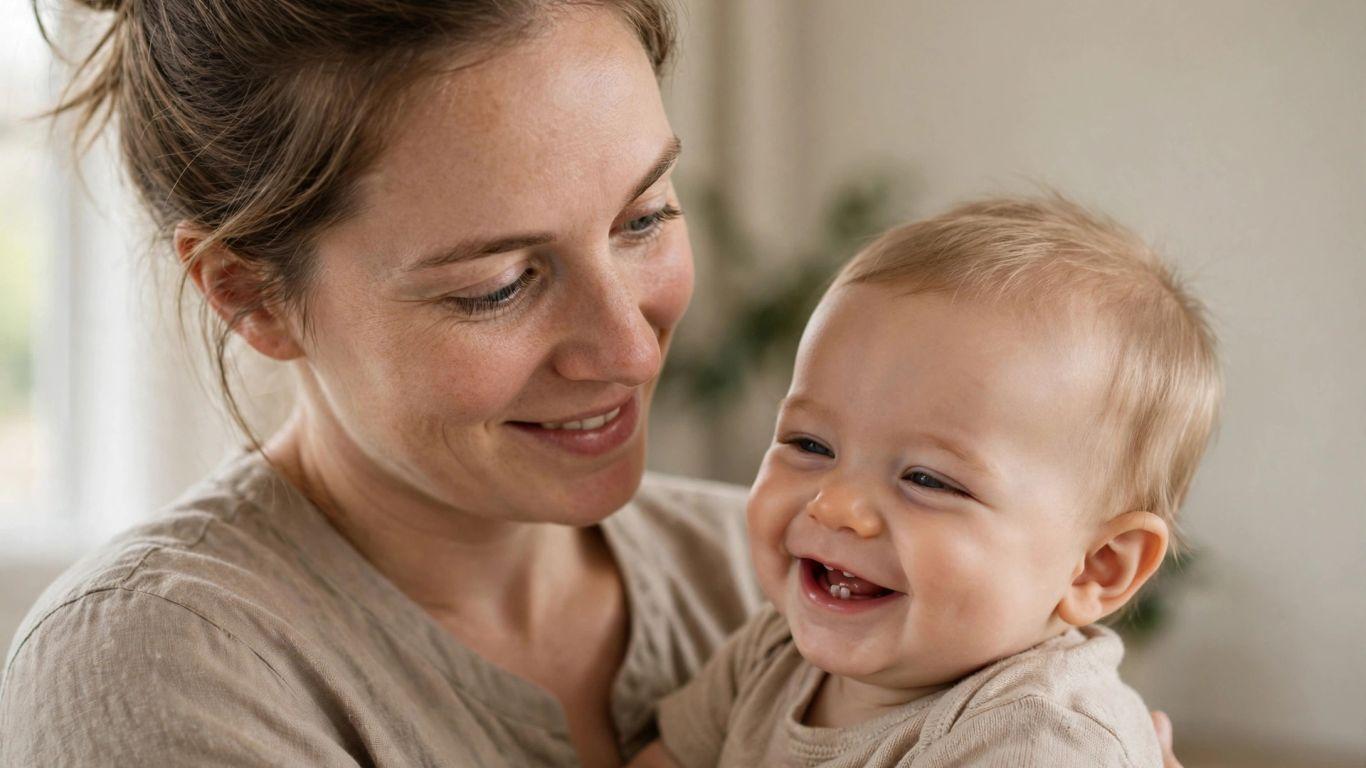
The question "when do babies start teething" has a range of normal answers: many babies get their first tooth at about 6 months, but the timing varies. Some teeth appear earlier, while others take longer to show. Teething is a gradual process, and a baby may seem perfectly comfortable until a tooth is close to the surface.
The Usual Age for a First Tooth
Most babies have their first tooth sometime between about 4 and 12 months, with the lower front teeth often arriving first. You may notice a swollen patch of gum before the tooth breaks through, though some teeth seem to appear with little warning. The first tooth is a milestone, not a deadline; a few months' difference is common.
Why Some Babies Teethe Earlier or Later
There isn't one schedule every baby follows. Family patterns may offer a clue, but timing can still differ between siblings. A tooth's development begins before it becomes visible, so not seeing one yet doesn't mean nothing is happening beneath the gums.
What to Expect if Your Baby Has No Teeth by 12 Months
Some healthy babies don't have a visible tooth at their first birthday. If that's the case, bring it up with your pediatrician or a dentist, who can consider your child's overall development and whether follow-up is needed. It's a reason to ask for guidance, not to assume that something is wrong.
Baby Teeth Timeline and Eruption Order
Baby teeth tend to appear in a familiar sequence, though the exact ages and order can vary. The lower front teeth are often first, followed by the upper front teeth and then teeth farther back. Most children have all 20 baby teeth by around age 3.
Which Teeth Usually Come In First
The two lower central incisors, the bottom front teeth, usually lead the way. The upper central incisors often follow, then the lateral incisors beside them. A tooth may come through on its own or around the same time as its partner, so a perfectly even pattern isn't required.
When the Remaining Baby Teeth Tend to Appear
After the front teeth, the molars and canines fill in farther back in the mouth. The ranges below are general guides rather than dates to watch for on a calendar; your baby's pattern may not match them exactly.
| Tooth group | Usual age range | Where it appears |
|---|---|---|
| Lateral incisors | 9–16 months | Beside the front teeth |
| First molars | 13–19 months | Behind the canines |
| Canines | 16–23 months | Between incisors and molars |
| Second molars | 23–33 months | At the back of the mouth |
These ranges overlap, and one side may erupt before the other. If you're unsure whether your child's tooth pattern needs attention, a dental professional can check it during a routine visit.
How Long Teething May Last for Each Tooth
There isn't a reliable countdown for an individual tooth. Gums may look tender or feel uncomfortable for a few days around the time a tooth comes through, but the entire process unfolds in stages over years, with pauses in between.
Common Teething Symptoms and What They Mean
Teething can bring some short-lived discomfort, but symptoms vary from baby to baby. A tender patch of gum, extra drool, and a stronger urge to chew are common clues. These signs can also happen for other reasons, so it helps to look at how your baby is doing overall.
Drooling, Chewing, and Tender Gums
As teeth move toward the surface, a baby may drool more, mouth toys, or rub a sore spot with the tongue. The gum over an emerging tooth can look puffy or feel tender. Wiping drool gently and changing a damp bib can help keep the skin around the chin from becoming irritated.
Changes in Sleep, Mood, or Feeding
Some babies get fussy or wake more often when their gums are sore. They may also pause during feeds or prefer chewing on a cool, safe object. These changes are usually mild and temporary; if your baby is consistently refusing feeds or seems unusually distressed, check in with a clinician rather than assuming teething is the only cause.
How to Tell Teething Apart From Illness
Teething may coincide with a slight temperature change, but a true fever, diarrhea, or a baby who seems ill should not automatically be blamed on a tooth. Pay attention to your baby's behavior, fluid intake, and wet diapers, and contact your pediatrician if something feels off.
Safe Ways to Soothe Teething Discomfort
Simple comfort measures are often enough when a baby has tender gums. Choose options that are easy to clean and safe for your child's age, and stay close while your baby uses anything meant for chewing. If the discomfort seems significant, ask your child's clinician what is appropriate rather than guessing at a remedy.
Massage Sore Gums With a Clean Finger
Wash your hands, then gently rub the sore area with a clean finger. Use light pressure and stop if your baby resists; the goal is brief comfort, not a vigorous massage. A few simple steps can keep it comfortable and hygienic:
- Wash your hands with soap and water first.
- Use a clean fingertip and gentle pressure.
- Stop if your baby seems uncomfortable or upset.
- Wash your hands again afterward.
This is a short-term comfort measure, not a way to make a tooth come through faster.
Offer a Chilled Teething Ring or Cool Washcloth
A cool, damp washcloth or a firm teething ring chilled in the refrigerator may soothe sore gums. Avoid freezing teethers, which can become too hard, and check the item for damage before handing it to your baby. Keep your baby supervised while chewing, and follow the product's age and cleaning instructions.
Use Age-Appropriate Pain Medicine Only With Medical Guidance
If your baby seems very uncomfortable, ask a pediatrician or pharmacist whether pain medicine is appropriate and what dose to use. The right choice and amount depend on factors such as age and weight, so don't estimate a dose or use medication intended for another child.
Teething Remedies and Products to Avoid
Some products marketed for teething can pose risks or offer little benefit. Be cautious with anything that numbs the gums, hangs around a baby's neck, or is meant to dissolve in the mouth. If you're uncertain about a product, check with your child's healthcare professional before using it.
Why Benzocaine and Lidocaine Products Can Be Unsafe
Numbing gels or liquids containing benzocaine or lidocaine can be dangerous for babies, and they may not stay where they are applied. These medicines can cause serious side effects, so avoid using them for teething unless a clinician gives specific instructions.
Risks of Amber Teething Necklaces and Bracelets
Amber necklaces and bracelets have not been shown to reliably relieve teething pain. They can also create choking or strangulation hazards, whether worn or used for chewing.
Why to Skip Homeopathic Teething Tablets and Hard Frozen Foods
Homeopathic teething tablets are not a dependable treatment, and some products have raised safety concerns. Hard frozen foods can injure tender gums or break into pieces that pose a choking risk. Choose a cool, age-appropriate teething item instead.
Dental Care and When to Contact a Professional
Good oral care begins before a full set of teeth arrives. Once the first tooth appears, regular cleaning and routine dental guidance help establish healthy habits early. Our page on dental care for your baby explains how we support families from the first tooth onward.
Clean Gums and Brush as Soon as the First Tooth Appears
Before teeth arrive, gently wipe your baby's gums with a clean, damp cloth. Once the first tooth shows, brush it twice a day with a soft, age-appropriate toothbrush and a smear of fluoride toothpaste about the size of a grain of rice. The American Dental Association's MouthHealthy guide to teething offers more background. Our post on dental care for your baby covers routines in more detail.
Schedule a First Dental Visit by Age One
Plan for your baby's first dental visit by the first birthday, or within six months of the first tooth appearing if that comes sooner. The visit gives the dental team a chance to check the mouth and talk through brushing, fluoride, and feeding habits. See our guide on when your baby should see a dentist for the first time, or learn about pediatric dentistry in Huntington Beach.
Call Your Pediatrician About Fever, Dehydration, or Severe Symptoms
Contact your pediatrician if your baby has a fever, seems unusually unwell, has persistent difficulty feeding, or shows signs of dehydration, such as noticeably fewer wet diapers. Teething can be uncomfortable, but it shouldn't be used to explain away symptoms that may need medical attention.
Conclusion
Most babies get their first tooth around 6 months, but a range of timing is normal, and the rest arrive gradually. Gentle gum care, a cool teether, and regular dental visits can help you navigate the process; when symptoms seem more serious than mild discomfort, ask a healthcare professional for guidance. To book your child's first visit, contact our office or meet Dr. Beanca Chu.
Frequently Asked Questions
Can a baby start teething at 3 months?
Some babies show signs of teething early, though the first visible tooth often appears closer to 6 months. Drooling or chewing by itself doesn't confirm that a tooth is about to emerge.
Is it normal for a 10-month-old to have no teeth?
Yes. Some babies get their first tooth later than others. If there is still no tooth by 12 months, ask your pediatrician or a dentist whether they recommend an evaluation.
Which baby teeth usually come in first?
The lower front teeth, called the central incisors, are usually the first to appear. The upper front teeth often follow, though individual patterns can differ.
Does teething cause a high fever?
A high fever should not be assumed to come from teething. Contact your pediatrician for guidance, especially if your baby also seems ill or has other concerning symptoms.
How can I soothe sore gums safely?
Try gently rubbing the gums with a clean finger or offering a cool washcloth or chilled, firm teething ring. Supervise your baby and avoid frozen-hard teethers.
Are teething gels safe for babies?
Products with benzocaine or lidocaine can cause serious side effects in babies. Ask a clinician before using any medicine for teething discomfort.
When should my baby first see a dentist?
Schedule a first dental visit by age one, or within six months of the first tooth appearing if that happens earlier. A dentist can check your baby's mouth and answer questions about daily care.
About the Author
This article was reviewed by the team at Brookhurst Pediatric Dentistry and Orthodontics in Huntington Beach, California. Dr. Beanca Chu, DDS, is a board-certified pediatric dentist who attended dental school at Case Western Reserve University and completed a postgraduate pediatric dentistry program at USC, with residency training at Children's Hospital Los Angeles, Miller Children's & Women's Hospital Long Beach, and Rancho Los Amigos National Rehabilitation Center. She is a member of the American Board of Pediatric Dentistry, the American Academy of Pediatric Dentistry, and the California Society of Pediatric Dentistry. The office is located at 19201 Brookhurst St #101, Huntington Beach, CA 92646.
Disclaimer
This article is intended for general informational purposes only and does not constitute dental or medical advice. It is not a substitute for professional evaluation by a pediatrician or pediatric dentist. Always consult a qualified health professional about your child's specific situation.
Blog Post Author

Contributed by DentalROI
DentalROI provides relevant dental content to help providers educate patients. The statements, services, and products referenced in this article have not been evaluated by the Food and Drug Administration, and they are not intended as a substitute for professional medical advice, diagnosis, or treatment. Always seek the advice of your dental provider with any questions or issues you may have. Specific recommendations may vary in different circumstances, so individual consultation is important.