
Pacifier vs. Thumb Sucking: Which Is Worse for Kids' Teeth?
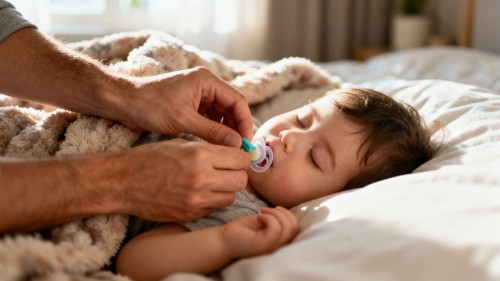
Nearly every parent asks it at some point: is a pacifier or thumb sucking worse for my child's teeth? Both habits satisfy the same natural urge to suck, and both can help a child settle when tired, upset, or overstimulated. The real difference comes down to control, duration, and intensity, not just which one your child prefers. At Brookhurst Pediatric Dentistry and Orthodontics in Huntington Beach, Dr. Beanca Chu and her team help parents figure out when a sucking habit is simply a normal stage and when it's worth a closer look.
Pacifier Use vs. Thumb Sucking: What's the Difference?
The main difference is control: a pacifier is an object adults can limit or remove, while a thumb is always available. That difference often matters more as a child gets older and the habit becomes tied to sleep or stress. Sucking is a built-in reflex, not a sign of misbehavior — babies may use it for feeding, comfort, or falling asleep, and toddlers may return to it during illness, transitions, boredom, or emotional strain. Some children gradually lose interest as they develop other ways to self-soothe, while others continue because the habit feels familiar and calming. Neither habit automatically causes dental trouble in infancy, but prolonged, frequent sucking can place steady pressure on developing teeth and the roof of the mouth.
Effects of Pacifier Use on Teeth
The effects of pacifier use on teeth depend largely on how long the habit continues and how forcefully a child sucks. Occasional use in a young baby is generally less concerning than all-day use that continues through the preschool years. A pacifier may contribute to an open bite, a crossbite, or changes in the position of front teeth when it remains a strong daily habit — the risk isn't the pacifier alone; duration, intensity, and your child's growth pattern all play a role. Our Dental Care for Your Baby page covers the basics of caring for a developing smile from the very first tooth.
When Pacifier Use Becomes a Concern
Pacifier use deserves a closer look when a child relies on it throughout the day, needs it to handle every frustration, or continues using it as permanent teeth approach. It's also worth discussing at a dental visit if you notice changes in the bite, trouble chewing, or a habit that seems impossible to pause. A calm plan is usually more helpful than suddenly taking it away without replacement comfort. A few general guidelines can help: limit use gradually during the daytime before tackling sleep-related use, watch for front teeth that don't meet when the mouth is closed, bring persistent use beyond the toddler years up at a routine visit, and avoid dipping a pacifier in sweet foods or drinks. After a child gives up the pacifier, the mouth often has an opportunity to move toward a more typical bite, particularly when the habit ends early.
Effects of Thumb Sucking on Teeth
Thumb sucking can affect teeth in much the same way as prolonged pacifier use, but its impact varies with the position of the thumb and the strength of the sucking. A thumb may press against the upper front teeth while another finger pushes on the lower teeth or palate. Strong, frequent sucking over a long period can gradually influence tooth position and jaw development, with possible effects including flared upper front teeth, an open bite, a narrow upper arch, or a crossbite. Young children may outgrow the habit without lasting changes, especially if they stop before permanent teeth appear — the longer and more forceful the habit, the more useful an evaluation becomes.
Signs It's Affecting Your Child's Bite
Parents may notice that the front teeth don't touch when the child bites down, or that the upper teeth sit well ahead of the lower teeth. A child may also have difficulty biting into certain foods, develop a lisp, or show a thumb with irritated, cracked skin. These signs don't prove that thumb sucking caused the problem, but they're good reasons to ask a dentist for an opinion at a pediatric dentistry visit, where the teeth, palate, jaw growth, and your child's overall development can be assessed together.
How to Stop the Thumb-Sucking Habit
Stopping a thumb-sucking habit takes patience because the behavior usually serves a purpose — sleep, comfort, sensory input, or reassurance, rather than deliberate misbehavior. Start by noticing when sucking happens, then address that situation instead of correcting the child every time the thumb reaches the mouth. Shame, teasing, or punishment can increase anxiety and make the habit more persistent, so keep conversations simple and matter-of-fact. A practical plan may include tracking the times and feelings that tend to trigger thumb sucking, choosing one habit-free period such as story time, offering quiet praise or an age-appropriate reward for trying, and providing cuddling, water, or a busy-hands activity as an alternative. Extend the habit-free period gradually; if the thumb returns during sleep, treat it as a next opportunity rather than a failure, and ask our team for support if the habit continues or causes visible bite changes.
Which Habit Is Worse for Long-Term Dental Health?
Neither habit is automatically worse in every child. Both can affect the bite when they continue frequently and intensely, especially as permanent teeth begin to develop. The more useful question is which habit is lasting longer, happening more often, and placing more pressure on the teeth and palate. A pacifier has one practical advantage — adults can control access and create a gradual weaning plan — while a thumb is harder to remove from the routine, so stopping may take longer. That doesn't mean every thumb sucker will develop dental problems, or that every pacifier user will avoid them.
| Factor | Pacifier | Thumb Sucking |
|---|---|---|
| Parental control | Can be limited or removed by adults | Always available to the child |
| Weaning approach | Gradual reduction, then removal | Requires identifying and replacing triggers |
| Typical concern age | Beyond 36 months | Beyond 36 months or as permanent teeth approach |
| Possible dental effects | Open bite, posterior crossbite | Flared teeth, open bite, narrow arch |
According to the American Academy of Pediatric Dentistry, children using a pacifier for 36 months or longer have a significantly higher incidence of anterior open bite, and the AAPD recommends discontinuing nonnutritive sucking habits by 36 months of age, with dental evaluation sooner if bite changes appear.
Conclusion
Pacifier use and thumb sucking are common ways for children to soothe themselves, but either habit can affect the bite when it lasts too long or happens too intensely. A gradual, supportive approach usually works better than punishment, and a dentist can help you judge the timing based on your child's mouth and development. You can contact our Huntington Beach office for a calm, personalized plan.
Frequently Asked Questions
Is thumb sucking worse than using a pacifier?
Not necessarily. The dental effect depends on frequency, intensity, duration, and the child's stage of tooth and jaw development. A thumb can be harder to control, while a pacifier can be easier for adults to limit.
When should a child stop using a pacifier?
Many families begin reducing pacifier use during the toddler years, especially during the day. Ask a dental or medical professional for individualized guidance if use continues or you notice bite changes.
Can a pacifier cause an open bite?
Prolonged, frequent pacifier use can contribute to an open bite in some children. The likelihood varies with sucking intensity and how long the habit continues.
Can thumb sucking change permanent teeth?
Persistent thumb sucking can influence the position of developing teeth and the shape of the palate. An evaluation can show whether the habit is affecting your child's bite.
How can I stop thumb sucking at night?
Start with daytime changes, discuss the plan before bedtime, and offer another calming routine such as reading or cuddling. Avoid shame and expect occasional setbacks.
When should a dentist check a sucking habit?
Make an appointment if the habit continues beyond the toddler years, permanent teeth are approaching, or you see an open bite, flaring, crossbite, speech concern, or skin irritation.
About the Author
Brookhurst Pediatric Dentistry and Orthodontics is located at 19201 Brookhurst St #101, Huntington Beach, CA 92646. The practice is led by Dr. Beanca Chu, DDS, a board-certified pediatric dentist who earned her dental degree from Case Western Reserve University and completed her postgraduate pediatric dentistry training at USC, along with a residency at Children's Hospital Los Angeles, Miller Children's & Women's Hospital, and Rancho Los Amigos National Rehabilitation Center. Dr. Chu is a member of the American Board of Pediatric Dentistry, the American Academy of Pediatric Dentistry, and the California Society of Pediatric Dentistry. Dr. Shawn Yu, an orthodontist and USC orthodontic program graduate, also treats patients at the practice.
Medical Disclaimer
The information provided in this article is for educational purposes only and does not constitute professional medical or dental advice, diagnosis, or treatment. Whether your child's sucking habit requires evaluation or treatment can only be determined through an in-person dental examination. Always seek the advice of your dentist or other qualified health provider with any questions regarding your child's dental development. Never disregard professional advice or delay in seeking it because of something you have read here.
Blog Post Author

Contributed by DentalROI
DentalROI provides relevant dental content to help providers educate patients. The statements, services, and products referenced in this article have not been evaluated by the Food and Drug Administration, and they are not intended as a substitute for professional medical advice, diagnosis, or treatment. Always seek the advice of your dental provider with any questions or issues you may have. Specific recommendations may vary in different circumstances, so individual consultation is important.