
How to Clean Orthodontic Retainers
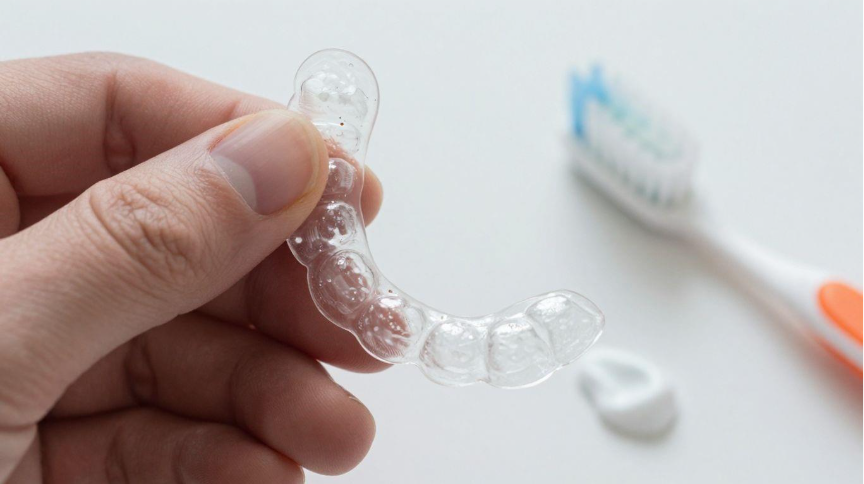
Keeping your orthodontic retainer clean is a big part of keeping your smile looking great after treatment. It might seem like a small thing, but a dirty retainer can cause problems. This guide will walk you through how to clean orthodontic retainers, how to clean an orthodontic retainer properly, and safe ways to keep it hygienic so it does its job. We'll also touch on how often should you clean orthodontic retainers to make sure your investment in a straight smile lasts.
Key Takeaways
- Regular cleaning prevents bacteria and plaque buildup, which can lead to bad breath, tartar, and even cavities.
- Daily cleaning involves rinsing your retainer after each use and gently brushing it with a soft toothbrush and water or mild soap.
- Weekly deep cleaning can be done using retainer cleaning tablets, a vinegar and water solution, or a hydrogen peroxide and baking soda paste.
- Avoid harsh cleaning agents like toothpaste, hot water, and mouthwash, as they can damage the retainer's material.
- Always store your retainer in a clean, dry case when not in use and remember to clean the case regularly as well.
Introduction: Why Proper Retainer Cleaning Matters
After spending months or even years with braces or aligners, the final step in achieving a straight smile is wearing a retainer. This custom-made device is key to keeping your teeth in their new position. However, just like your teeth, your retainer needs regular cleaning to stay effective and hygienic. Neglecting retainer care can lead to a host of problems, impacting both your oral health and the lifespan of the appliance itself.
A retainer spends a significant amount of time in your mouth, often for 8-10 hours overnight. During this period, it can become a breeding ground for bacteria, plaque, and food particles. If left uncleaned, this buildup can transfer back onto your teeth, potentially causing issues like tartar formation, tooth decay, and cavities. It can also lead to unpleasant odors and discoloration of the retainer.
Think of your retainer as a crucial part of your orthodontic treatment. Keeping it clean isn't just about aesthetics; it's about maintaining the health of your mouth and the success of your orthodontic work. Proper cleaning habits help prevent the accumulation of plaque and bacteria, ensuring your retainer functions as intended and lasts as long as it should. This simple practice is vital for preserving the investment you've made in your smile.
Here’s why consistent cleaning is so important:
- Prevents Bacterial Growth: Uncleaned retainers can harbor bacteria that contribute to bad breath and oral health issues.
- Maintains Appliance Integrity: Regular cleaning helps prevent discoloration and the buildup of mineral deposits that can affect the fit.
- Protects Tooth Health: By removing plaque and debris, you reduce the risk of cavities and gum problems developing around your newly straightened teeth.
- Ensures Longevity: A well-maintained retainer is more likely to last, saving you the cost and hassle of frequent replacements.
Understanding Orthodontic Retainers and Their Materials
Orthodontic retainers are custom-made devices designed to keep your teeth in their corrected positions after orthodontic treatment. They are typically made from either clear, flexible plastic or a combination of plastic and metal wire. Understanding the materials your retainer is made from is key to knowing how to properly clean orthodontic retainers and keep them in good shape.
Plastic retainers, often called clear aligners or Essix retainers, are made from a type of thermoplastic. These are popular because they are nearly invisible and comfortable to wear. However, this plastic can be sensitive to heat and certain cleaning agents. It's important to remember that heat can warp the plastic, making the retainer fit poorly and potentially undoing your orthodontic progress.
Wire retainers, like the Hawley retainer, consist of a plastic or acrylic base that fits against the roof of your mouth or along the gum line, with a metal wire that wraps around the front of your teeth. The wire is usually made of stainless steel. These are quite durable but require careful cleaning around the wire and plastic components.
Here's a quick look at common retainer materials:
- Clear Plastic: Flexible, nearly invisible, but sensitive to heat and scratching.
- Acrylic/Plastic Base (for wire retainers): Provides structure and fit.
- Metal Wire: Typically stainless steel, used to hold teeth in place.
Benefits of Keeping Retainers Clean and Well-Maintained
Keeping your orthodontic retainer clean isn't just about appearances; it's a pretty important part of keeping your mouth healthy. Think about it: your retainer spends a lot of time in your mouth, sometimes for 8-10 hours overnight. During that time, food bits, bacteria, and plaque can build up on it. If you notice a milky film on your retainer, that's likely plaque. This buildup can transfer back to your teeth, potentially leading to hardened tartar, tooth decay, and cavities.
A clean retainer helps maintain the results of your orthodontic treatment and supports overall oral health.
Here are some key reasons why consistent cleaning is a good idea:
- Prevents Bacterial Growth: Daily cleaning removes food particles and bacteria that can multiply quickly. This helps prevent unpleasant odors and keeps the retainer hygienic.
- Protects Tooth Health: By removing plaque from the retainer, you reduce the risk of it transferring to your teeth, which can contribute to cavities and gum issues.
- Maintains Retainer Integrity: Regular cleaning, using the right methods, helps prevent damage. Harsh cleaners or hot water can warp the plastic, making the retainer less effective or even uncomfortable.
- Ensures Fresh Breath: A dirty retainer can contribute to bad breath. Keeping it clean helps ensure your breath stays fresh.
Daily Retainer Cleaning: Simple Habits That Make a Big Difference
Keeping your retainer clean doesn't have to be a chore. In fact, a few simple habits each day can make a world of difference in keeping your appliance fresh and your mouth healthy. Think of it like brushing your teeth – it's just a part of your routine now.
The most important thing to remember is to clean your retainer every single day. This prevents a buildup of bacteria and food particles that can lead to unpleasant odors and even affect your oral health. When you take your retainer out, give it a quick rinse under lukewarm water. This simple step helps wash away any loose debris before it has a chance to stick.
After rinsing, it's time for a gentle scrub. Grab a soft-bristled toothbrush – ideally, one you dedicate just for your retainer. You don't want to use your regular toothbrush, as that can transfer germs from your mouth to your retainer and vice-versa. Instead of toothpaste, which can be too abrasive and scratch the retainer's surface, use a mild, unscented liquid soap or even just water. Gently brush all surfaces of the retainer, making sure to get into all the nooks and crannies. This helps remove any plaque or film that might be forming.
Here’s a quick rundown of your daily cleaning steps:
- Rinse: Take out your retainer and rinse it under lukewarm water.
- Brush: Use a dedicated soft toothbrush and mild soap or water to gently scrub all surfaces.
- Rinse Again: Thoroughly rinse the retainer with lukewarm water to remove any soap residue.
- Store Safely: When not in your mouth, always keep your retainer in its clean case. This protects it from damage and contamination. You can find good retainer cases at most drugstores or online for your retainer.
Weekly Deep Cleaning for Optimal Hygiene
While daily cleaning keeps your retainer fresh, a more thorough weekly clean is a good idea to tackle any buildup. This helps prevent that sometimes unpleasant "retainer smell" and keeps the plastic looking clear.
A good deep clean can make a big difference in keeping your retainer hygienic and your mouth healthy.
Here’s a simple method using common household items:
- Vinegar Soak: Mix equal parts white vinegar and lukewarm water in a small bowl. Submerge your retainer in this solution for about 15-30 minutes. Vinegar is great for breaking down mineral deposits and any crusty bits that might have formed. After soaking, rinse the retainer thoroughly with water and give it a gentle brush.
- Baking Soda Paste: For tougher spots or a general refresh, you can create a paste using baking soda and water. Apply this paste to your retainer and gently scrub with a soft toothbrush. Baking soda acts as a mild abrasive to help lift away residue without scratching the plastic. Rinse well afterward.
- Hydrogen Peroxide Treatment (for stains): If you notice yellowing or stubborn stains, a soak in a solution of half hydrogen peroxide and half water can help. Let it soak for a few minutes, then rinse thoroughly. This is particularly effective for brightening the plastic.
Keeping Your Smile Bright and Your Retainer Clean
So, taking care of your retainer might seem like a small thing, but it really matters for keeping your teeth just where they should be. Using simple things like mild soap, water, or even a bit of vinegar can do the trick without needing fancy products. Just remember to rinse it well after you use it, give it a gentle scrub with a soft brush, and always store it in its case. Doing this every day helps prevent yucky buildup and keeps your retainer working like it should. If you ever feel unsure or notice something odd with your retainer, don't hesitate to ask your orthodontist or dentist. They're there to help make sure your smile stays healthy and straight for years to come.
Frequently Asked Questions
- How often should retainers be cleaned?
It's best to give your retainer a quick rinse and brush every day, similar to how you brush your teeth. For a deeper clean, a soak with a special cleaner or a vinegar solution once a week is a good idea to keep it fresh and germ-free. - What is the best way to clean a retainer daily?
After taking out your retainer, rinse it with lukewarm water to wash away any loose bits. Then, use a soft toothbrush with a little bit of mild dish soap or just water to gently scrub it. Rinse it well afterward. - Can toothpaste be used to clean retainers?
No, it's generally not recommended to use regular toothpaste on retainers. Toothpaste can be too abrasive and may scratch the plastic. These scratches can create tiny spaces where bacteria can hide, making your retainer harder to keep clean. - What should I do if my retainer looks yellow or has buildup?
For yellow stains or tough buildup, a weekly soak can help. Try soaking your retainer in a mixture of equal parts white vinegar and lukewarm water for about 15-30 minutes. Another option is using retainer cleaning tablets, which are designed to tackle buildup and kill germs. - How should retainers be stored when not being worn?
Always keep your retainer in its special case when you're not wearing it. This protects it from dust, germs, pets, and accidental damage. Make sure the case is also cleaned regularly with soap and water and allowed to dry completely. - What happens if retainers are not cleaned properly?
If retainers aren't cleaned regularly, bacteria, plaque, and food particles can build up. This can lead to bad breath, and the germs can transfer to your teeth, potentially causing cavities or gum problems. A dirty retainer can also start to smell unpleasant.
Blog Post Author

Contributed by DentalROI
DentalROI provides relevant dental content to help providers educate patients. The statements, services, and products referenced in this article have not been evaluated by the Food and Drug Administration, and they are not intended as a substitute for professional medical advice, diagnosis, or treatment. Always seek the advice of your dental provider with any questions or issues you may have. Specific recommendations may vary in different circumstances, so individual consultation is important.